Helpful Hints For Travel to Japan

I am extremely grateful for the assistance I’ve received from the “Friends of Oat” Facebook page. This post is my way of giving back. Although I wrote it primarily for OAT travelers, I hope that others planning to visit Japan might find some of these hints helpful.

Packing

Pack light: Hotel rooms are TINY, so there really isn’t much room to store clothes or luggage. Here’s another reason to pack light–there are no porters in Japan, so you will be handling your own bags.

My room in Kanazawa , which was actually quite a bit larger than the ones in Tokyo and Kyoto

Doing Carry-on Only isn’t as hard as it might seem, because every hotel had laundry facilities on site. In our Tokyo hotel, you could watch your laundry’s progress on your room’s TV. Which I did. From my bed. I wasn’t worried that someone would take my laundry out and dump it on the floor, because first, the Japanese are way too polite to do something like that and second, the machine locked with a code that you input.

The Kanazawa hotel had a washer and dryer in the room, complete with a squirt bottle loaded with detergent. Despite the plastic card with instructions in both English and Japanese, it was a slight challenge for me to figure out how the damn thing worked. In fact, I’m not exactly sure what I did, but hey, the clothes came out clean.

You don’t have to pack pajamas, because Japanese hotels provide them. At least the ones OAT uses did. Every day there would be fresh pajamas neatly folded on my bed. Although I had a single room, I still got two pairs of pajamas!

Every hotel had a REAL hair dryer…not one of those awful ones attached to the wall. You know, the ones that you have to keep a finger on the button or else it shuts off?

I had heard that some hotels have onsens, which are sorta like hot tubs/whirlpools except the source of water and heat is the naturally occurring hot springs. I definitely wanted to experience THAT, so I dutifully packed a bathing suit and cover up. That was totally unnecessary, because the onsens have many rules, one of which is you either go naked or you don’t go. Take a look.

I guess at some point, someone must have tried to dye their hair or wash their clothes in the onsen, otherwise why the need to print the prohibition?

Another unnecessary item that I packed was a water bottle. All the hotels provided bottled water, plus the water in Japan is not only safe to drink, it also tastes good. I simply refilled the hotel’s water bottles from the tap, and never used the one I brought.

Gadgets

There isn’t much counter space in the bathrooms so hanging toiletries bags make life easier, at least while using the bathroom.

Although some hotels had conveniently located outlets, that was not universally true, so I was glad that I brought my handy dandy plug thingie that I got from Amazon. Because my phone is now my camera, the battery doesn’t last all day, so I bought that black mini portable charger, also from Amazon.

The manicure scissors I brought were useful for cutting off the plastic ties that were affixed to our luggage every time we had our bigger bags shipped. The bullet train doesn’t have much storage space, so we were told to pack a small bag to tide us over until the rest of our luggage arrived. That happened twice on the main trip and once on the post trip. Additionally, some of the plastic packaging on snacks was difficult to open, so my manicure scissors spared my teeth!

My packing cubes functioned as bureau drawers in these bureau-less and closet-less rooms. Yep, I just put them on the floor. in the narrow space between the bed and the window.

The OAT backpack folded up to almost nothing in my carry on. It made a great day pack, and provided extra space for purchases.

Shopping

I normally don’t shop while I am on a trip, but the exchange rate was so favorable, and the items were so unique, I found myself buying lots of little gifts — in department stores, in little handicraft shops, you name a place and it is highly likely that I found something interesting to buy there.

Language

English is not commonly spoken, but Google translate made it much easier to communicate. I simply typed in what I wanted to say and showed the Japanese translation when I needed help. In museums without English explanations, I pointed the camera at the Japanese words and Google delivered a translation like the one below.

Screenshot

Money

I learned from the Friends of OAT Facebook page not to bother with Japanese Bank’s ATMs when I needed cash. Instead, I went to either Lawson’s or 7 11, which are EVERYWHERE. I was beyond relieved when I saw that English instructions are provided. The exchange rates are good, and the cost for withdrawing money is reasonable. Although you can use your credit card in most places, it is good to have cash for the markets and smaller gift shops. A bonus–both places sell ice cream, chocolate and other snacks.

Mass transit

I’m sure that once you get the hang of it, mass transit is easy to use. Let’s put it this way, I was VERY grateful that our guide took care of determining how we would get from point A to point B. What is wonderful about Japan is one transit card can be used on just about everything: buses, trams, trains (but not bullet trains). The neck holder our guide gave us made getting through the turnstiles VERY easy.

It’s a wonderful trip. Rumor has it that OAT is developing another trip to Japan. I certainly am considering a return trip, but in the fall to see the gorgeous colors that were displayed in this photo of a poster.

Happy travels!

Kyoto, On Our Own

First, let me say “on our own” is a misnomer. I COULD have been on my own during “free” time, but Mori was working overtime, organizing wonderful activities for us. I will admit, I skipped two evening activities because I needed a rest. (Damn, we were ACTIVE during the day!) I believe the Energizer Bunny’s Team of Renee, Ruth, and Janis did EVERYTHING, but unfortunately they’re not writing this blog, so you’ll only see and hear about the activities I took part in.

Our first night adventure in Kyoto started in the hotel bar. It was a rainy night, so we correctly figured we needed some fortifications before our tour of the train station.

During my lifetime, I have certainly been in many train stations, but never have I seen seen anything quite like this one! The architecture is stunning, the lighting is spectacular—it is a visual feast!

Unlike most escalators, which require you to walk around to the opposite side on each floor, this one went straight up, and parts of it were outside the building.

Notice how clean everything is? No trash ANYWHERE!

We were able to see the Kyoto tower from the covered part of the rooftop. I thought that the raindrops on the window gave the tower an impressionistic feel.

It isn’t obvious from the still photos, but we were treated to a light show as we walked along the corridor.

Can you see the two people walking down the stairway upon which images are being projected? Here’s a hint–look for the umbrellas.

This is the site of one of twenty one immersive multimedia installations created by Naked, a digital art collective. If you want to learn more, check out their website: https://en.japantravel.com/kyoto/naked-garden-one-kyoto/69924

We returned the following night, when the weather was better, to listen to the pianist while we watched the light show. If you would like the full effect, just hop over to YouTube to watch and listen to the video. (Click on the underlined word)

The photo is a screen shot from the video and admittedly is a poor substitute, but uploading a video into WordPress takes forever.

In the previous post I mentioned that Nijo Castle was also a site for a Naked installation, and THIS one was even more sensational!

The castle walls became digital displays with changing graphics. You know the drill: if you want to experience the full effect of the “Naked” show, click on YouTube.

But wait— there’s more! The garden and the buildings were also beautifully illuminated.

There were so many gorgeous sights–it was hard to decide which ones to include in this post.

And if that wasn’t enough, there was even a “ special effects” machine, pumping out fog.

Our extras weren’t just limited to night time activities. We also had adventures with Mori during free afternoons. Sometimes, the bus drivers recommended stops along the way at places they thought we would enjoy.

That’s another wonderful aspect of Japanese culture. People take pride in their work, regardless of what it is. Everyone’s contribution is valued.

Earlier in the trip, we stopped at a store selling fruits and vegetables. On the wall were photos of the farmers who grew the store’s products. Talk about a personalized approach!

Notice the white gloves our bus driver is wearing and how he is dressed?

This particular driver suggested these two additional stops enroute to a planned activity. I won’t bother with the names of the temples because they are long and totally forgettable, at least by me. But what is seared into my brain are the temple grounds with its flowering trees.

We didn’t have time to participate in the Buddhist ceremony, but I peeked inside and was impressed that they thoughtfully provided chairs for those unable to sit on the floor.

The second temple contained 1001 statues of the Buddhist Deity Kannon. What is interesting is that all of the statues are slightly different, which initially led me to believe that the statues represented DIFFERENT Buddhas. Then I read the brochure.

Here’s what else I learned. 124 of the statues were made in the 12th century, when the temple was founded and the remaining 876 were made in the 13th century when the temple was renovated. The statues are all made of Japaneses cypress, so I’m guessing they have been covered with gold leaf.

We weren’t allowed to take photos inside the temple, but hanging on a wall outside was this poster,

which will give you a very rough idea of what the temple was like. It was slightly longer than a football field (According to the brochure, the length is 120 meters, for those of you fluent in metric). We walked in front of the statues, along a PACKED narrow corridor. It wasn’t tragic that I couldn’t take a photo inside–it would have been an impossible shot anyway.

On our last afternoon in Kyoto, we set out for the Philosopher’s Path. Although we never made it there — we got a little lost– we instead had a had a delightful adventure, walking along an old railroad track, during which we saw an abundance of blooming trees and Japanese taking advantage of the photo ops the beautiful day offered.

As Mori was trying to figure out how to get us back to the hotel, some of us wandered around and discovered this rather unusual sculpture in front of one of the art museums. Sorry, there wasn’t enough time to figure out what it was trying to communicate, but then, it is ART. It can be anything you want it to be.

Next stop: Hiroshima, for the ten of us taking the post trip, but before we leave, here’s one last photo of the Kyoto tower when it WASN’T raining.

OAT’s Kyoto Itinerary

There was so much to see and do in Kyoto, I decided Kyoto required two posts. This one describes the “official” OAT activities. The next post is all the “extras” sweet Mori made sure we experienced.

After Covid cancelled my 2020 Japan trip, I comforted myself with an on-line “tour” of Kyoto. From that, I got the mistaken impression that Kyoto was a rather compact city with all of the sights clustered together.

I was TOTALLY unprepared for how big Kyoto is and how scattered the points of interest are.

My iPhone photos will give you a rough idea of how much ground OAT’s itinerary covered during our 5 day stay. I was very grateful that Mori handled all of the logistics.

The Shinkansen brought us swiftly and smoothly to Kyoto. Because we had ridden the bullet train from Tokyo to Kanazawa, we were familiar with the drill: you pack a small overnight bag to tide you over until the larger luggage ( which was shipped) arrives a day later. The bullet train is super comfortable, but storage space is quite limited.

I was glad that I was traveling with only a backpack, because unlike our arrival in Kanazawa, in Kyoto we had to swim through an ocean of humanity to get through the train station.

I’m wondering what was easier to follow—Taco, or my gray head sticking up above the crowd.

What a multisensory extravaganza the Kyoto train station was! We were bombarded with sounds, sights and wonderful smells, but as you’ll see in a later post, it is even more thrilling at night, so no more daytime station photos.

But first, here’s a whirlwind tour of my favorite things on OAT’s itinerary, which successfully hit Kyoto’s traditional hot spots.

The majestic Arashiyama Bamboo Forest

It is hard to describe the peaceful feeling one gets while walking through these towering plants.

Cemetery beside the bamboo forest

The Tenryu-ji Temple

A brief stroll away from the forest was a beautiful garden and Buddhist temple. We were so excited to see the cherry blossoms were starting to open.

I managed to pitch a coin right into the ring in front of the frog. I keep making the same wish. One of these times it should work.

Kinkaku-ji Temple (Temple of the Golden Pavilion)

The original temple was constructed around 1400, but was rebuilt in the 1950’s after it was burned to the ground by a crazed monk.

Wasn’t it fitting that the phoenix atop the temple was the only part of the original that managed to arise from the ashes of the burned building?

Nijo Castle

We toured the interior of Nijo Castle, but we weren’t allowed to take photos. That’s okay. I found the exterior far more compelling—especially at night (and yes, you are going to have to wait for a future post to see how glorious it is).

Nara

India has its sacred cows; Japan has its deer.

Kathleen is bowing to the sacred deer

Todaiji Temple

This is the home of the world’s largest wooden Buddha.

He was so enormous, it was difficult to photograph him. Besides, we’ve all seen Buddha photos.

As you may have noticed from earlier posts, I’m rather fond of the Guardians. Even though this one has a fierce facial expression, he’s holding a scroll and pen, so how scary can he be? Maybe his message is “the pen is mightier than the sword”?

This next photo requires an explanation, but first take a look and see if you can figure out what is happening.

There is a wooden block in the temple, with an opening that supposedly is the size of Buddha’s nose (the statue, not the human). The belief is that anyone able to squeeze through Buddha’s nose (or the passage) would have a good life. I’m pleased to say that although he initially struggled, Mori made it thru.

Zen Temple

After walking alongside this beautiful river, we climbed 200 steps ( I didn’t count; I took Mori’s word for it) to meet a zen master, with whom we meditated.

We left, totally at peace, feeling “zero”. It’s fortunate that l learned to let go, because that hat on my head and I were soon to go our separate ways.

Fushimi Inari Shrine

After experiencing Buddhism, we moved on to the famous Shinto shrine with its beautiful vermillion Torii Gates.

We didn’t have time to climb to the top, so this map will have to suffice to give you an idea of the immensity of the shrine.

When Christo did “The Gates” in NYC’s Central Parking 2005, Mike and I spent an enjoyable February afternoon strolling through them. Could Christo have gotten his inspiration from Japan? I think he did.

Sushi Making

I will say up front that raw fish wrapped in seaweed does not meet my definition of delicious. Still, I was determined to keep an open mind. I was quite happy to learn that we had a vegetable option.

My son Greg would have loved the discussion about knives and whet stones.

Okay, so maybe it didn’t look like much, but it sure was tasty.

What better way to end this post than with a photo of a beautiful blossom…

and a group shot taken after our farewell dinner. Sadly, Mary, Jim, Kathleen and Cathy, weren’t joining us on the post trip to Hiroshima.

Hakone, Part 1

Every time I think this trip couldn’t possibly get better, it does.

On our bus ride to Hakone, we were treated to multiple views of the elusive Mt Fuji. We watched as it progressed from crystal clear to cloudy.

10:30 AM at the rest stop
The clouds started rolling in around 3 PM.
3:30 PM. Our driver took us to this special look out that gave us a phenomenal view of the mountain.

Although it is wasn’t on the itinerary, I had told Mori I really wanted to experience the Open Air Museum in Hakone and he made it happen. Turns out 12 out of the 14 of us wanted to visit. We made the most of our hour at the museum. Here are a few of my favorites.

It may not look like much from the outside but wait till you step inside.

But there was so much more to see, like this piece which was inspired by the myth of Narcissus.

The sculpture was trying to view her reflection in the water, but her tears were blurring her image.
Can you believe how perfectly balanced that sculpture is? And check out the gorgeous setting.

We lucked out with the weather because our second day in Hakone was rainy.

On the Road to Abu Simbel

To acclimate us for the end of our leisurely float up the Nile, we used less luxurious modes of transportation to visit the town of Daraw. We’d been ferried across the Nile by small boats before, but this was our first time in the back of a pick up truck. The truck was covered, but there was such little headroom, I could barely sit upright. And no, that’s not a canvas top to the truck. It’s metal. If you’re wondering how I know, let’s just say there were more than a few bumps in the road.

You see all modes of transportation in Daraw: bikes, motorcycles, trucks, donkeys, tuk tuks, just about everything except cars.

Most OAT groups tour the livestock market, but because there are no markets on the day we were there, we visited the local entrepreneur. One of his many businesses is a “livestock hotel”. Hey, if you don’t sell all your animals on the first market day, you need someplace for them to stay, right?

Another of his businesses resembled a mini petting zoo, which we greatly enjoyed. I’d been warned that camels spit. After being taught a lesson by that rambunctious water buffalo a few days earlier, I kept my distance. Bobbie and I decided it was time to let others interact with the babies.

This camel bumped Jeanne in the head multiple times
There was significant bonding between Bill and baby donkey. We expected him to start negotiating a purchase price.

Next stop, shopping—and eating—in the marketplace. Mohamed purchased Falafel for us to sample. We had just watched as the street vendor was making it. I don’t know that I would have been brave enough to eat food from a street vendor if I were on my own, but with Mohamed choosing the vendor, I felt perfectly safe.

It felt like we were on the Amazing Race when Mohamed instructed us to search for, and purchase, specific fruits and vegetables with the 20 Egyptian pounds, (about $.62 in US currency) he gave us. We were all so focused on our task, there were no photos of the adventure. I foolishly pointed at potatoes and waved my 20 pound note. Any idea how many potatoes that amount would buy? A whole lot. A whole HEAVY lot. Good thing I’ve been going to the Y.
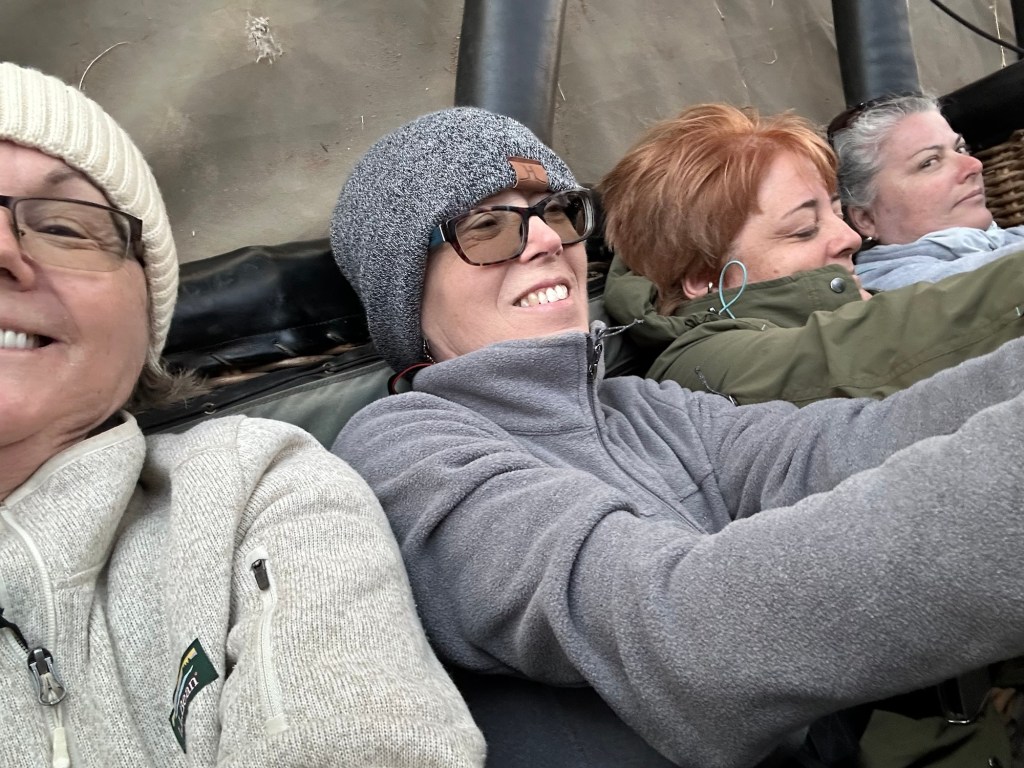
Bobbie, on the other hand, was a smart shopper. She purchased the required peppers, but she negotiated skillfully enough to be able to buy bread for us all. It was delicious and still warm from the oven.

Our last stop before leaving our beloved dahabiya was “Nile Beach”, where are some of us were perfectly content to just stick our feet in the water. Others, namely, Marianne and John, were far more adventurous.

Our “farewell” dinner was even more spectacular than the other meals we’d enjoyed. We were sad to say goodbye to the crew that took such good care of us.
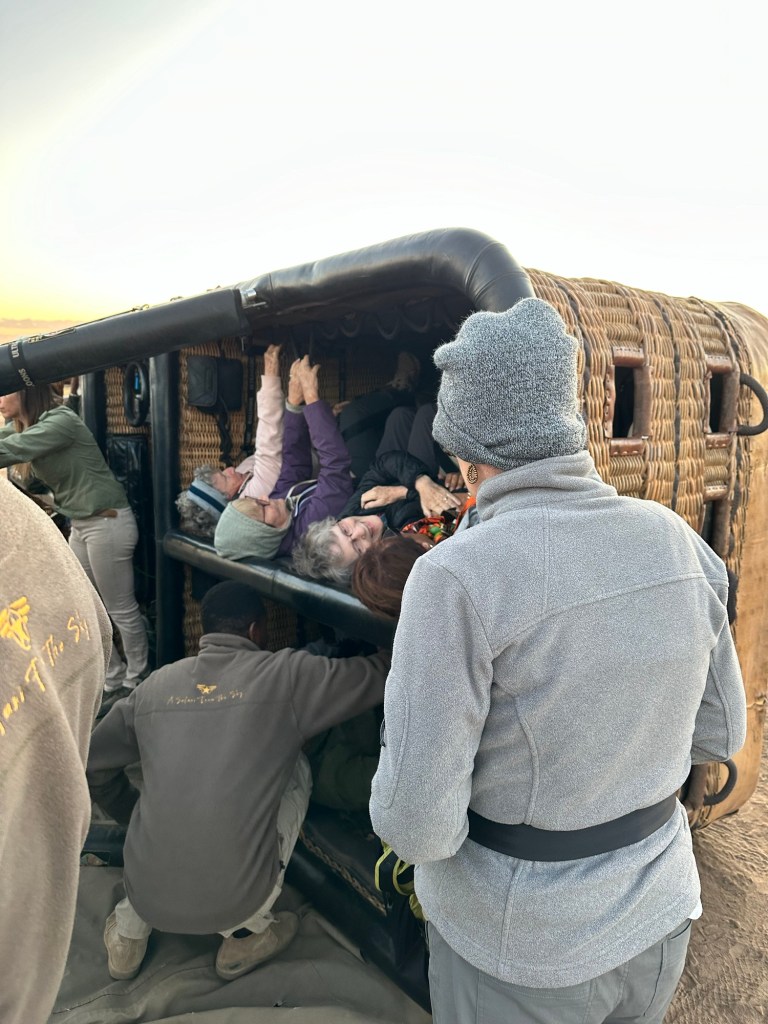
16 crew members for 9 passengers. Was the service outstanding? You bet!

We all got a surprise when we returned to our cabins. We each got a unique Egyptian creature waiting for us on our beds. I’ve seen towel art before, but these were, by far, the most creative. My favorites were the crocodile and the cobra. ( I got a scorpion).

How to describe the ride from Aswan to Abu Simbel? Three hours of sand, sand, and more sand with high tension wire strung along the roadside, delivering electricity from the dam to the populations further north. We needed to get closer to Abu Simbel for the landscape to change.

We stopped midway in our journey for a bathroom break. I think the term “food desert” was coined here. If it wasn’t, then it should have been. The “snack bar” could be best described as “selection-challenged”, but if you’re looking for potato chips, or packaged mystery snacks, you’ll be very happy.

Our group thought we’d seen so many temples and tombs, there was little left for us to see. Boy, were we wrong! The size of the 4 statues of Ramses 2’s temple ALONE was jaw dropping. But to think that this entire temple was MOVED block by block to the higher ground on which it currently stands, is truly hard to believe. Why is as that done? If it hadn’t been moved, it would now be well below the waters of Lake Nassar.

Back in the 60’s, 50 nations cooperated to rescue several temples threatened to be submerged by the creation of the High Dam at Aswan. To me, the engineering that went into the move was as awe inspiring as the temples.

But wait—there’s more to say about this temple. The ancient Egyptians were so knowledgeable about engineering and astronomy that in the 1200’s BC, they were able to construct this temple so that twice a year, on February 22 and October 22, the sun shone all the way through the temple to illuminate three of the four statues in the inner sanctum. The fourth statue is of Ptah, the god of the underworld, who was intentionally left in darkness. Two of the others represent different versions of Ra, the son god. Bet you can’t guess who was the last statue to be bathed in sunlight. None other than Ramses 2. Clearly he didn’t have a self esteem problem.

That black area falling across their laps is a shadow

Next to Ramses 2’s monument to himself, he built a temple honoring his favorite wife, Nefertari. Remember her? We visited her tomb in the Valley of the Queens.

That old goat lived well into his nineties, acquiring wives and children ( rumored to number approximately 200) along the way. Good thing he lived BEFORE viagra was invented! Of all his women, (thought to number about 100, if you include concubines and mistresses) Nefertari was his favorite—the only one who got her very own temple next to his. There is only one statue of her on the facade. The other five are, of course, of her husband, who was also known as “the Great” (probably self proclaimed).

That random guy standing in front of Nefertari gives you an idea of the scale of these statues.

We only spent one night at the beautiful Seti Hotel in Abu Simbel. Can you see why we were reluctant to leave? The multi-level pool had a swim up bar; each room had a private balcony facing the Nile. It was SO very peaceful.

Before we left for the light show at the temples, we met Hassan, who enlightened us about Nubian culture and history. He also entertained us by playing instruments that were the forerunners of our guitar, banjo and harp.

In 1976, when Hassan visited his cousin in San Francisco, he was invited to play with what he described as “ a small folk group” —the Grateful Dead.

Once again, you had to be there to appreciate how wonderful it was to be sitting under the stars, watching a multimedia show projected onto the temple walls. I didn’t take any shots while the show was ongoing, but did so after, and used that shot the heading for this post.

I truly appreciate everyone’s comments on my blog posts. It almost feels like I’m having a conversation with my friends. Although I know who comments on Facebook and Linked in, many of the comments on WordPress are coming through anonymously. If I didn’t respond to you, that’s why.

Floating on the Nile for Five Glorious nights

I felt like Egyptian royalty, floating up the Nile in our private dahabiya. It’s mind boggling to think that the pharaohs used this mode of transportation centuries ago, when they traveled between their two capitals. Memphis no longer exists, but Thebes still does, except the Greeks changed its name to Luxor.

The dahabiya is certainly is a very comfortable way to travel. Of course, the pharaohs took months to make their journeys, stopping to visit temples along the way. We also are visiting temples, but our river trip only lasts five days.

Although the sails of our boat were unfurled, it was strictly for a photo op. The photo above was taken from the tugboat that pulled us upstream. It is illegal for dahabiyas to have motors because the Egyptian government wants to preserve this ancient mode of transportation. I’m glad they didn’t insist that the tugboat be replaced by a rowboat!

To show you what that looks like, I took the photo below from the back of our dahabiya. The larger boats, and we saw many of them on the river, are allowed to have motors.

We had lots of help climbing from the tug back onto our dahabiya

The Nile starts in Lake Victoria, and flows into the Mediterranean. That means when we travel south, we are going up the river, the opposite of what we are used to. Back in the day, the southern part of Egypt was known as the Upper Kingdom, with the Lower Kingdom extending to the shores of the Mediterranean.

To visit the temples, we had to disembark and when we did it felt like we were walking the gauntlet. The street vendors were laying in wait. “Hey lady, only $5”,or “Welcome to Alaska” which we heard at multiple sites. I didn’t dare take a photo of the chaotic scene. Instead, I focused on walking quickly, avoiding eye contact. It was difficult. I felt I was being rude by ignoring their greetings. After being bamboozled once however, I toughen up.

Was it worth it? Yes! The temples were an oasis of serenity and peace. Although we saw other, larger ships on the Nile, we were the only ones visiting the small temple of Khnum in Esna. Mohammed, our guide, knew the schedule well enough to plan our arrival after the larger ships had departed and before the afternoon ones arrived.

.

We were able to watch centuries of dirt and muck being cleaned from the temple walls. Mohamed told us that only recently have women been allowed to do restoration work.

Yes, the Sistine chapel’s ceiling is a masterpiece, but the ceilings of Egyptian temples are equally breathtaking. Not only that, but they were painted centuries earlier.

If you were standing below, looking up, this is what you would see. Check out the tops of the columns. Each one is different. It’s difficult to see in the photo, but the hieroglyphics between the columns are depicting the various phases of the moon, something my astronomer husband would have greatly enjoyed.

The next day’s temple was in Edfu. It is dedicated to Horus, the son of Isis and Osiris. Horus’ parents were both brother and sister and husband and wife, which might explain why their offspring had the head of a falcon. Sometimes, as in the statue below, he’s depicted as all bird, but on the temple walls, the carvings show him with a human body.

Horus, outside his temple’s inter sanctuary. His angry look was designed to keep the common folk out of the sacred spaces. On his head are the crowns of Egypt’s upper and lower kingdoms

Like medieval churches, the temple walls are used to tell a story. Here’s the Cliff Notes version of a rather long legend. Osiris was killed by his jealous brother Seth, who chopped him up and scattered the pieces all over Egypt, but Isis found the pieces and (unlike Humpty Dumpty) put Osiris back together again, except for one key piece—his most prized possession. (I hope I don’t have to spell it out for you. ) Anyway, Horus was determined to get revenge for his uncle’s dastardly deed. The two of them fought an epic battle. Although Horus won, during the battle he lost one eye, which then magically came to life. To this day, Horus’ eye is a symbol of healing and well-being.

Our guide claims the following wall carving represents incense being burned. The ladies in the group decided it was actually Osiris’ missing member. You decide who had the better interpretation.

As you can see from the visual of our 5 day journey, we took a temple break to visit a farm on Bishaw Island, where we met members of the village and had lunch in the home of the very charming Sayed.

In the USA, we can step back in time by visiting Plymouth Plantation or Williamsburg, where people dress up in period costumes and demonstrate how different tasks were performed during colonial days.

THIS was authentic. It might look like the village women are making wood fired pizza, but they are actually baking a day’s worth of bread. Sour dough. The loaves all came out perfectly.

Bill was recruited to help remove seeds from hibiscus, which is used to make tea. He was a natural; in fact, he did such a good job, I was wondering if he’d be allowed to leave.

What are these women doing, you ask? Well, they are making sure there are no barley grains among the wheat. Why? I have no idea, and no one thought to ask.

Yes, this baby water buffalo is adorable. Especially when he is tied up. He wasn’t when we entered the enclosure, so he was able to charge at us, first at Bobbie, then when she moved aside, he came at me, either trying to bite or kiss my leg. The only thing I know for sure is the Bobbie and I were left with water buffalo lip smears all over our pants.

Our next stop was far more tame. We visited the quarry from which the pyramids’ sandstone building blocks were cut, then floated down the Nile. That block must have been enormous! I should have had someone stand beside it for scale.

Our final temple (for the cruise part of our adventure) was Kom Ombo, which was again timed to ensure that we avoided the crowds (at least of tourists—not of street vendors). This temple is unique in that it was dedicated to two gods: Sobek, who has the head of a crocodile, and Horus, the falcon, shown here with his human body.

Now here’s something you don’t see every day— mummified crocodiles. A live crocodile, believed to be the earthly incarnation of Sobek, was kept in a pit in the temple. When it died, it was mummified and replaced with another.

Although we have another day on our wonderful dabahiya, this post is already quite long, so I’ll end it with a sneak preview of tomorrow’s activity. Not another temple—tomorrow we go to the livestock market. Let’s see if another animal wants to get up close and personal with me!

Luxor

I was awakened from a deep sleep by Jeanne, who was standing at the foot of my bed, shaking my leg. That was strange, given that we weren’t rooming together. Was it a dream? Nope. It seems I managed to sleep thru my 4AM wake up call, my cell phone alarm, and numerous text messages. They say there’s one in every group, and this time it was me.

Fortunately, I had arrived early for every other meeting, so my group knew I wasn’t t just being an inconsiderate jerk. At least not this time. They were concerned that something bad had happened to me. Was I dead? (I probably looked like I was). Did I meet with foul play? (No). Was I unconscious? (Sorta). What happened was I woke up at 2:35 but made the mistake of not getting up then. Lesson learned. Next time, I’ll grab my phone and do wordle, read email, check Facebook until it is time to leave.

Good thing I had packed almost everything for our flight to Luxor the night before, and laid out my clothes, so with Jeanne’s help, instead of being on the bus at 4:45 AM, my butt was in my seat at 4:52 AM. I’m quite proud to say that those 7 minutes also included the elevator ride all the way down from the 17th floor. Still, l felt bad for keeping the others waiting.

Normally, I put my empty backpack into my carryon, but because I stuffed my toiletries into my carryon (so I could brush my teeth at the airport), I needed to pull out my backpack and allocate the carryon contents between two bags.

Well, I almost left my carryon at security. I was at the check in desk when I realized I should have THREE bags, not two. Yes, you put ALL luggage, including your checked bag thru the X-ray machines, before you arrive at the check in counter to get your boarding pass. Then your carryon goes thru security again, after you dropped off your checked luggage.

Maybe when I get home I’ll do a post about my “interesting” airport experiences, of which, so far, there have been several, especially in Jordan where I got intimately acquainted with security coming and going.

There is far too much to say about Luxor to dwell on my rocky start, so I’ll move on. .

Did you know that 1/3 of the world’s antiquities are in Luxor? And that Luxor was once known as Thebes? I hope those are trivia questions some day.

The reason we had such an early start was so that we could go straight from the airport to the Temple of Karnak, then on to lunch before checking in to our hotel.

At one time this avenue united the Karnak and Luxor temples. Notice the rams head sphinxes that lined the avenue.

Just about everyone has seen photos of Egypt’s temples and tombs, right? But let me tell you, it just isn’t the same. You really DO have to be there to appreciate the immensity of these structures.

Although it looks crowded, and certainly felt that way, this is about half of what the crowds normally are at this time of year.

If you walk counterclockwise around this beetle (scarab) seven times, your wish is supposed to be granted. I had nothing better to do, so why not?

I’ll admit it, by the 7th time around I was starting to feel a little dizzy. But if I get my wish, it will be well worth it.

Lots of school groups were touring Karnak Temple that day. As was our experience in Jordan, the children were adorable and oh so friendly. They blew kisses, waved, shouted “hello” “how are you” and “welcome”. 

That evening, five of us had dinner at the home of Mansour and Azza. We were joined by their two gorgeous daughters-in-law and their two very outgoing and entertaining granddaughters.

It was the perfect way to end our first evening in Luxor.

We spent two nights at the historic Winter Palace Hotel. Besides us, other famous guests included Jackie Onassis, Princess Diana, Henry Kissinger, Al Gore and Richard Gere.

On our free afternoon, Jeanne and I enjoyed a glass of wine in the gorgeous gardens. Helpful hint: if you’re going to drink the local Egyptian wine, go for the white.

Our second full day was spent exploring the Valley of the Kings in the morning, and the Valley of the Queens in the afternoon.

The Temple of Queen Hatshepsut, Egypt’s first female ruler, was our first stop on the way to the valley of the Kings. According to historians, her reign was quite successful—no wars, a prosperous economy, but that didn’t stop her successors from trying to completely erase her from history.

Fortunately, archaeologists were able to recreate her story by studying the empty spaces on the walls, and the remaining, very faint outlines.

On our visits to the Valleys of the Kings and Queens, we explored the tombs of Ramses 1, 3, 4 , King Tut and Queen Nefertari (wife of Ramses the Great, also known as Ramses 2). All were spectacular, covered with vibrant hieroglyphics, but Tut’s tomb was unique in that his actual body—with face and feet exposed—is still in his tomb.

I had originally planned to leave Mike’s ashes inside King Tut’s tomb, but then I thought the caretakers might sweep him up, so I went with Plan B. I dug a little hole in the ground outside Tut’s tomb, inserted the ashes, then constructed this little pyramid atop them using stones lying nearby.

Okay, so maybe it doesn’t look like much, but I didn’t take 20 years to build it and I didn’t have the help of thousands of workers.

By the time we’d finished with the tombs, we were all too tired to tour the Temple of Luxor. It was just down the street from our hotel, so I caught a glimpse of the outside at night when it was lit up. That was good enough for me.

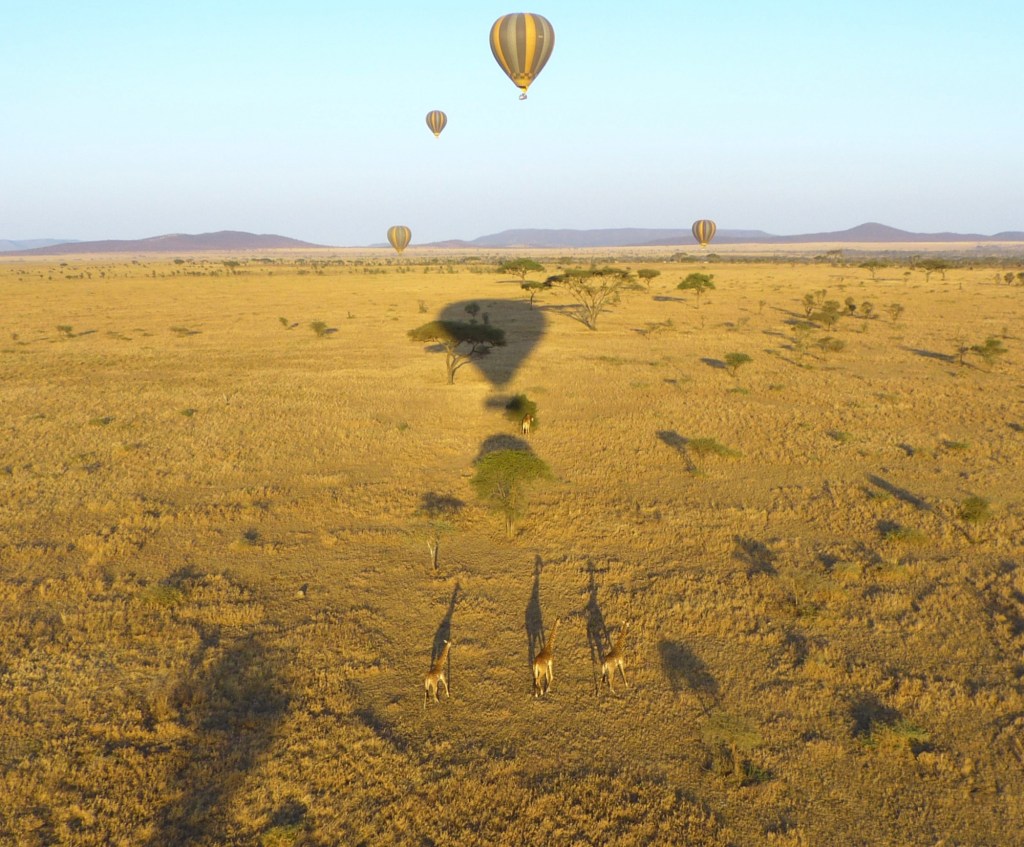
Our final Luxor activity was an optional one—a balloon ride over the Valley of the Kings. Only 4 of us were willing to endure yet another early morning departure (5AM). THIS time I was early!

To get to the balloon site, we had to cross the Nile by boat. Well, there were many boats lined up at the pier. To reach our boat, we had to climb through other boats. In one instance, it felt like we were walking “the plank”. But there was a reward. Take a look at what we got for our efforts. Yes indeed, that is a Twinkie in my hand. I hadn’t seen one of those in decades; it was so long ago, they came two in a package! No, I didn’t eat it, but it did make me smile.

The day before our balloon ride , we had seen these statues of Amenhotep III from the ground.

Here is the aerial view.

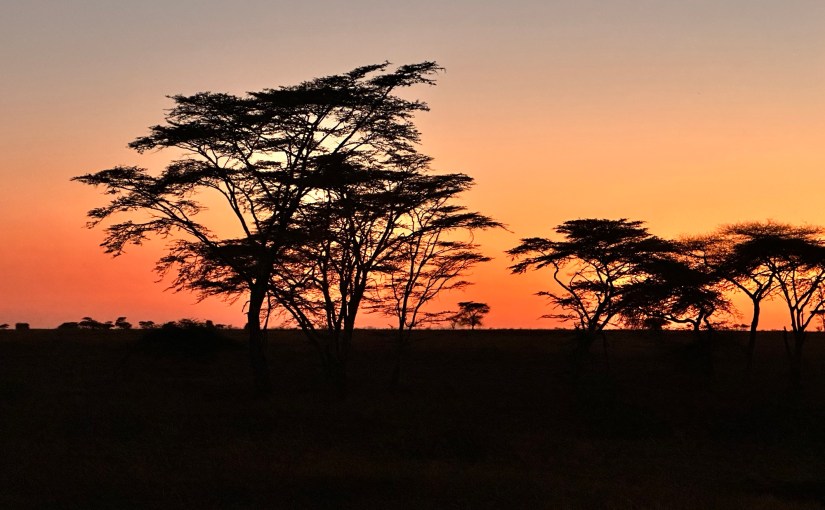
It was a spectacular sunrise

Next post will be about our 5 day cruise on the Nile.

Croatia, formerly part of Yugoslavia

Thanks so much for the words of encouragement from all who commented on my last post, either here, on Facebook or on LinkedIn. It was great to hear from so many friends. I had no idea you were reading my blog, because unless someone comments, I don’t know who my audience is. Your very kind messages motivated me to continue writing about October’s trip.

Yugoslavia was once made up of 6 countries, and on my recent Overseas Adventure Travel (OAT) trip, I visited four of them: Croatia, Montenegro, Bosnia &Herzegovina and Slovenia. I tell you–we are SO very lucky to be able to travel in the USA for thousands of miles without ever having to show our passport. On this trip, we had multiple border crossings, and although our guides knew the tricks to make it as painless as possible (which crossing was less busy, what time is best to cross), it still was an inconvenience that I’m glad is not part of our daily lives.

After 7 of us finished the pre-trip to Albania, we drove through Montenegro to a parking lot by the border where our Albanian guide said goodbye, and Antonia, our guide for the main trip, greeted us (literally) with open arms. How lucky were we to get this dynamo for our tour leader! She was funny, creative, attentive, and so very joyous. She started out by giving us the good news that we were staying at a different hotel in Dubrovnik, a five star, because our original (4 star) hotel was still being renovated. As the millennials would say, “OMG”! The Valamar President Hotel was truly magnificent–right on the ocean, with spectacular views of the sunset. Here’s an example of one. 

Scott and Gretta, two of my favorite fellow travelers. Scott had the foresight to bring a corkscrew and glasses on the bus so that we could enjoy the wine we bought along the way. It made those very long bus trips quite entertaining!
Prior to embarking on the trip, I had googled the original hotel’s location (I know, I’m obsessive/compulsive) and was slightly disappointed because it seemed quite far from the old city.  I got over that disappointment real fast, because it was so easy to get to and from our new, improved hotel, (which happened to be in the same area as the original one). We were given a free pass, the buses ran frequently, and we got off right in front of our hotel. By the way, did I mention our hotel was magnificent? 

When we arrived at the hotel, we were joined by the 9 remaining members of our group who opted not to take the pre-trip, including my dear friend Augusta.

One of Dubrovnik’s big attractions is walking along the city walls, which we did on our second day in the old town. 

It isn’t obvious from this photo, but there was a lot of up and down along the wall, with very uneven steps. But don’t let the following photo dissuade you from exploring the ramparts. One of our fellow travelers, who is in her 80’s, managed to climb up and down without a problem. I found that truly inspiring–and very encouraging for someone who is hoping to be traveling well into HER 80’s. (In case you have’t guessed, that someone would be me).

walls 0f Dubrovnik

That evening, dinner was “on our own”. Antonia walked us along a beautiful path that hugged the ocean which was lined with fantastic restaurants, telling us a little about each as we passed. When she said, “This one makes the best gin and tonics in all of Croatia”, Augusta and I knew we had found our place. What made it the best? Not only was the drink served in a beautiful glass, but the creation of it was something to behold. (click on the underlined words if you want to watch our waiter construct that masterpiece).

Dinner by the sea was delightful, and the Croatian sunsets were consistently magnificent.

But the most memorable part of our time in Croatia was the talk given by a woman who had lived in Dubrovnik during the Balkan war. At that time, she was in her early 20’s. Overnight, her life changed. She had been a carefree young woman until, after a night on the town with friends, she was awakened by the sound of bombs dropping. One might expect her talk to have been depressing. It was not. It was actually an inspiring story about the resilience of the Croatian people as they learned how to survive for three months without water and electricity. She told us she quickly learned what was really important, and it wasn’t money. ”What good was it to have money, if there was nothing you could buy”, she asked.  

Photo by Mark Burgunder Sr.

Her talk took place in what was once Napoleon’s fort, and is now a museum housing memorabilia and information about the Serbian and Montenegrin attacks on Dubrovnik, a World Heritage site. 

In case you’re wondering about the picture of the soldier on her right, that’s Orlando. His statue currently is located in the main square, where in days of old, decrees were read and citizens would gather to be entertained by watching the bad guys get their just punishment. (Don’t judge–they didn’t have TV or the internet back then).

This is what Orlando looks like now. It’s hard to see him, or his all important elbow, because there is a protective barrier surrounding the statue. At some point, he will be removed to have the statue version of a spa treatment, and will be returned, thoroughly restored and rejuvenated.. 

So who was he, and why did I mention his elbow? Well, legend has it that Orlando was a nephew of Charlemagne. Perhaps you know him by his alias, Roland? More importantly, his right arm, from fingertip to elbow, was used to measure fabric, which was traded in that very square. Why his forearm? I have no idea. It certainly makes as much sense as the inches, feet and yards WE use. By the way, there are only three non-metric countries on this planet: the USA, Liberia and Myanmar (so we are in good company, indeed). Saturday Night Live did a hilarious skit about our use of the “imperial” system. But I digress…

Our return to Dubrovnik’s center via the tram gave us this phenomenal view. By the time we made it to town, however, I had seen enough of the walled city and was more than ready to return to relax on our hotel’s private beach. Little secret: it’s hot in town, and crowded, so I was grateful for free time, my bus ticket and my luxurious hotel.

It may be difficult to see on the map atop this post, but Croatia is rather oddly shaped. The non-French say it is shaped like a bird in flight. To the French it looks like a croissant. To me, it resembles a gerrymandered voting district. Can you see that little gap that gives Bosnia & Herzegovina access to the ocean? Because of that gap, someone traveling just a few miles north from Dubrovnik could be subject to TWO border crossings: leaving Croatia to enter Bosnia, then again when reentering Croatia, and it would happen again when they did their return trip. 

While in Dubrovnik, we took a day trip to lovely Kotor, Montenegro, then headed for three nights in Sarajevo, Bosnia, after which we returned to Croatia for 6 more days before heading to Slovenia, for three nights, then heading home. Got that? I don’t have the energy to fit all of that into one post, and you probably wouldn’t want to read one that long anyway, so this post only focuses on Croatia and Montenegro.

Our day trip to Kotor started with a breathtakingly beautiful ride on our private boat. I think it was during that ride that someone dubbed Antonia “the child with power”. 

Kotor is a lovely medieval city with palaces, restaurants, gift shops, and like other medieval towns, it had its share of stories and legends, which I promptly forgot. What I didn’t forget was the women we encountered, holding the banner that says “We remember the Morinj camp”, which is where Croatian prisoners were held in deplorable conditions from 1991 until 1992. The banners act as an acknowledgement and an apology for Montenegro’s role in the Balkan War. I found that rather refreshing. 

Are you ready for a break from war talk? Instead, let me tell you about Karanic, the Croatian village we visited on our way to Zagreb. OAT trips usually include”a day in the life” of the country’s inhabitants, but this was the first time the “day in the life” included an overnight stay. These encounters are designed to provide an opportunity to see non-tourist areas and get exposure to different aspects of the local culture.

Our group, at Karanic, with Dennis, our host.

I wasn’t quite sure what to expect, but our accommodations exceeded anything I could imagine. The home had sufficient rooms for us all, each with a private bath (whew). 

The food was delicious. Some of us helped with the cooking–others captured the moments via cell phone photography.

Karanac was a nice interlude before our stay in Zagreb. When we arrived at our hotel, we noticed it was filled with men wearing team shirts. Unbeknownst to me, we were sharing the lobby with the 2018 World Cup champion football team. This became apparent when we passed a building that was plastered with a photo of the guys we had just seen in the lobby. If only I were a sports fan…


Zagreb had experienced an earthquake in 2020, so some of the buildings were still being repaired. Still, as you can see, the city offers something for everyone. I can’t offer commentary on these attractions, because I didn’t sample any of them. 

What I CAN tell you is the Bornstein Winery is not to be missed. It was educational, delicious, and oh so much fun! Six of us visited there during our free time. Who knew that a Croatian immigrant took zinfandel vines to California many years ago?

There is a whole lot more I can say about Croatia, and the other countries on this fabulous trip. Maybe someday I will, but right now, it’s time to prepare for the next adventure. I hope you’ll come along!

Travel, Love and Loss

I started this blog in 2011, when my husband chose not to go on a bike trip with me. I was convinced that when he read my blog and saw all the fun my photos captured, he would surely have a change of heart. OF COURSE he would want to accompany me the next time I decided to see the countryside via two wheels. Boy, was I ever wrong! Despite my sparkling narrative and museum quality photos, he never chose to experience a bike trip, or to become a Global Volunteer. He did, however, enjoy my blog, so when I embarked on solo journeys, my blog became a way for him to share in the adventures from the comfort of our home.

Most of the time, however, we traveled together. My blog became a supplement to our memories of our fun times. And, given that our minds were no longer as sharp as they were when we started traveling 23 years ago, it provided a way for us to check back and see whether we actually DID visit certain places and if we did, what year it happened.

Bariloche, in February, 2019, before Covid rocked everyone’s world and disrupted our ability to travel.

I was in Ireland when Mike got the news that his cancer had returned. After my solo trip to Ireland, we had planned to meet in London, spend a few days there and then go on to Paris. Instead, I returned home to join him for his appointment at Memorial Sloan Kettering. His doctor gave us the shattering news that the average life span for someone with Mike’s form of cancer was about 18 months. It was even worse. Mike only lived 4 more months.

Mike was not my only loss. Four months earlier, my younger sister died suddenly from a mysterious infection. Not only were she and Mike my travel buddies, they were also my emergency contacts (Mike when I traveled with Sandy, Sandy when I traveled with Mike). To say I was devastated would be putting it mildly.

Celebrating our July birthdays in Lucca, in 2012.

I had heard that grief can cause the bereaved to act in strange ways. It certainly was true for me. Within a week of Mike’s death, I had booked a ridiculously expensive trip around the world on a private jet. The next morning I awoke, came to my senses, and immediately canceled that trip. Instead, I thought about the number of trips I could take for that same amount of money and began planning them. It has been quite therapeutic.

I soon discovered that I didn’t want to be home for our milestones: I spent October 15, the anniversary of the day Mike and I met, in Slovenia. Although I had started to blog again while in Albania, I found myself thinking, “what’s the point? Mike and Sandy won’t be reading this”.

My first year end holidays without Mike will be spent in Egypt. We had seen the pyramids together for our 25th anniversary, and were planning to return in March of 2023, but the return of Mike’s cancer obviously disrupted those plans.

Our first trip to Egypt, in 2001

Mike died in February of 2023, exactly a month before the departure of the trip we had selected. But something tells me a part of him will be with me in the Valley of the Kings.

I continue to remind myself how very lucky I am. Mike and I had 47 years together. Through good times and bad, we managed to accumulate a lifetime of wonderful memories. Most importantly, we produced an amazing son, who is a constant source of comfort.

May 2018, Yellowstone

My son reminded me to focus on what I HAVE, not what I have lost. So here’s one of the many things I still have: the ability to travel whenever and wherever I want. These are all enormous blessings that I will never take for granted. And if the spirit moves me, I’ll blog about it. Maybe it will become a part of the healing process.

On My Own in Tirana, Albania

I spent the majority of my first full day in Tirana walking around the city, exploring two of the attractions recommended in my OAT Final Documents booklet. First stop was at the Komiteti-Kafe Museum for an “American coffee” and a look at what was described as Soviet Era artifacts. I don’t know whether what I found qualified as Soviet “stuff”. It appeared much too whimsical and colorful, two adjectives that I suspect were never used to describe the USSR.

I probably wouldn’t put the coffee shop on a list of top attractions, but the walk getting there and back was fun. Tirana has lots of green space, bike lanes and pedestrian walkways— and I do love to explore on foot.

I had to get closer to the beautiful mosque appearing in the distance. A gift from the Turkish government, it is, and will remain, closed until Erdogan arrives for a dedication ceremony.

Man oh man, Tirana is BOOMING! Lots of new construction everywhere. During the ride from the airport, I noticed the very drab, but functional architecture, presumably from the Soviet era. The current construction is colorful, joyous and oh, so interesting!

I had no idea what this building would become until our tour on my second day with our pre-trip guide. Ilir took us along a different street. He told us the colored squares will become classrooms in this future digital center.

It is difficult to see the pyramid behind the trees. If you’d like a better view and a history of the pyramid, click here. https://en.m.wikipedia.org/wiki/Pyramid_of_Tirana. The steps were added to allow people to safely climb to the top. Previously they were clambering up the smooth sides, then sliding down!

One advantage to being on your own is you can stop to take photos whenever you like, and I liked to do that a lot. I loved this bridge. While on it, you have access to free wi-fi, which I didn’t need because I had switched to TMobile. Unlike Verizon, international access is free for everything except voice calls. (Thanks to the Facebook page “Friends of OAT” for educating me about internet access outside of the USA). Knowing I could consult google maps whenever I wanted enabled me to wander freely without fear of getting lost.

As I made my way to the Sali Shijaku House (OAT’s other recommendation), I walked thru Tirana’s Castle, which was taken over by the Topani family in 1798. I had seen the Topani name everywhere, most prominently at the nearby mall entrance, and wondered what the word meant. A plaque before the castle explained that Topani is the name of a noble family “rich and educated with strong ties to the Ottoman Empire and the west which they used to help the country while it took the independence road.” The plaque goes on to explain the rivalry between the Topanis and the Barginis which was ultimately resolved by intermarriage. Just think, if the Montagues and Capulets had used intermarriage to resolve their disputes Shakespeare wouldn’t have had material for Romeo and Juliet.

Not much remains of the original castle structure other than these walls and something called a “Bailey”. (You won’t see a photo of the Bailey because I have no idea what it is). Walking thru that arch brings you to a walkway with lovely shops and an abundance of restaurants, one of which I chose for lunch.

I had a wonderful inexpensive lunch with a glass of sparkling wine at this restaurant.

But back to the home of the artist Sali Shijaku, my second destination. After exploring his residence, which is filled with his paintings, I sat in the garden and enjoyed the ambiance while sipping a cup of tea. It’s hard to believe that over the years, this 300 year old structure has been a hospital, women’s prison and military building.

Some other sights from my walk thru Tirana:

Topani Mall across from our hotel.
Although not colorful, this building’s three dimensional structure appealed to me.
The new building towers over the old church tower.

After exploring, I returned to the hotel to meet 4 of my traveling companions. After a brief walk with our guide, we got to know each other over dinner at Roxana Tuna House. As is often the case on OAT trips, they are all friendly and so very interesting. That’s another reason I enjoy traveling with OAT—congenial companions. We will meet the last couple tomorrow because they encountered flight delays.

Time to stop babbling about this wonderful city and get some rest.