Serengeti Animals

It’s just as well that I had to abruptly end my last post before all of the photos uploaded, because my Serengeti pictures are so much better than the ones from the Ngorongoro Crater.

We left the beautiful Tloma Lodge in Karatu at 7 AM for an all day drive to our tented camp deep within the Serengeti.

I’ll be honest. I was NOT looking forward to 8 hours of rockin’ and rollin’. The road along the dusty, misty rim of the Ngorongoro Crater was very narrow, the drop into the caldera was steep, and visibility was poor. We were ALL very grateful that our drivers (Freddie and David) were experienced and skillful.

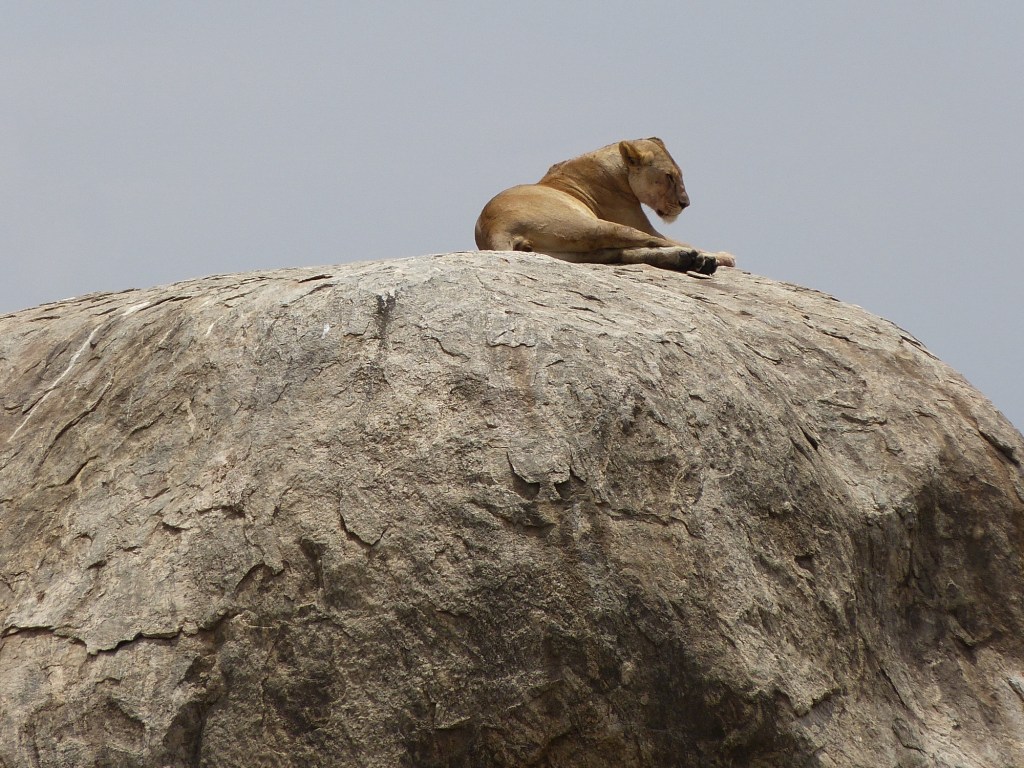
After a few stops and a picnic lunch, things started to get interesting. When we spotted a lioness standing guard on a big rock, we figured she must be protecting SOMETHING, but what?

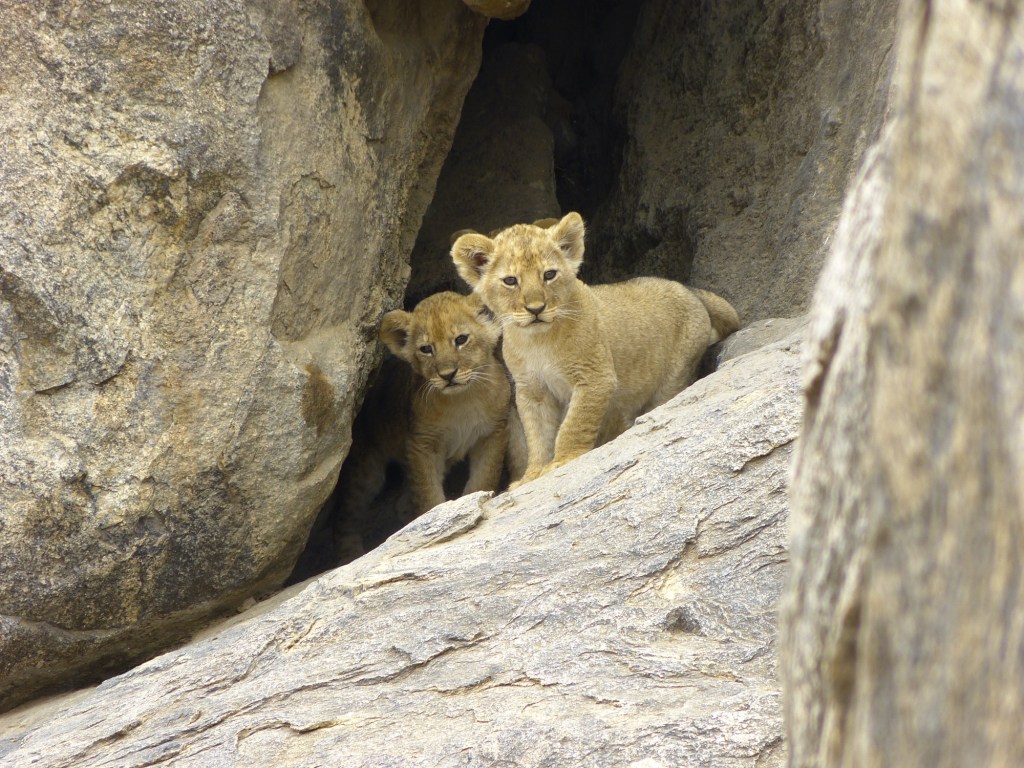
First, one little head popped out in the crevice.

then a second one,

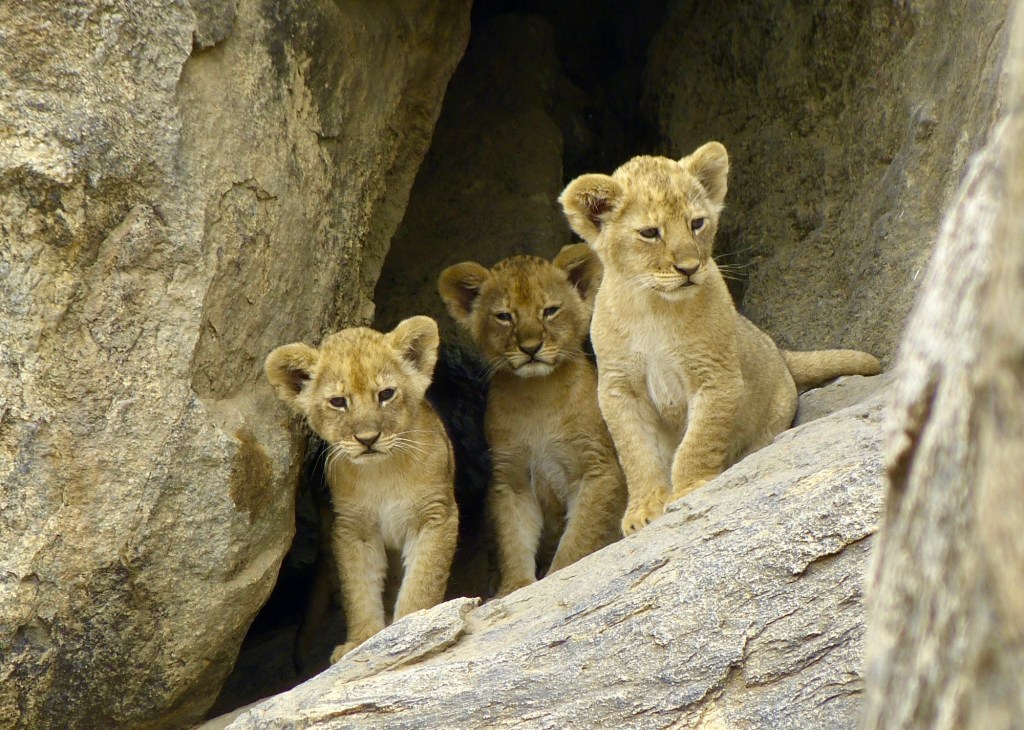
JACKPOT! We couldn’t believe our luck.

That must have been auntie on lookout duty, because here comes mom.

But wait…it gets better.

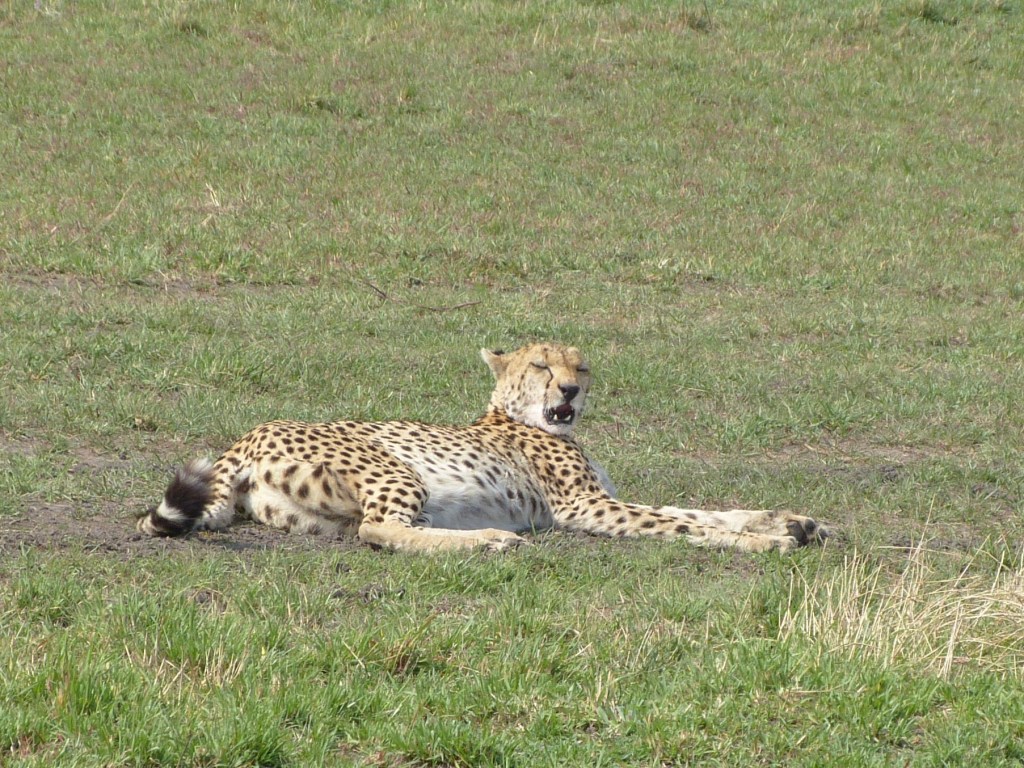
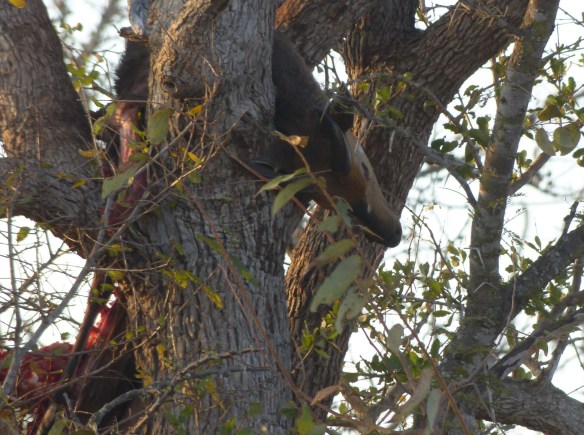
Remember the discussion about the differences between cheetahs and leopards a few posts earlier? Which one is this?

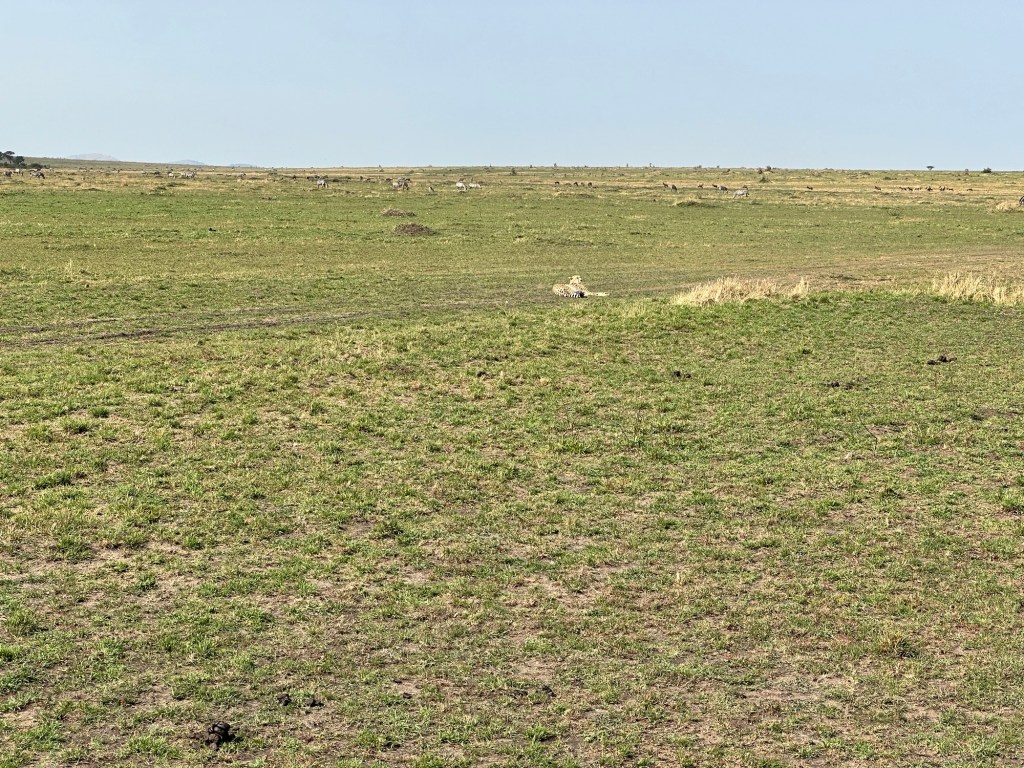
What about this one? It was REALLY far away, so the photo may be pixilated, still, you might be able to figure it out.

Suddenly the drive didn’t seem long, or bumpy or dusty. We were ALL thrilled.

Despite being out in the middle of nowhere, our tents are quite comfortable. Best of all, the bucket showers are so easy to operate, compared to some of the complicated faucet configurations we’ve encountered.

You pull the one with the wooden handle to get the water flowing, and pull the metal one to make it stop. The temperature is Goldilocks perfect, because the camp staff has heated the water to baby bear “just right”.

If you need more than 5 gallons, you yell and a staff member will bring it to you, but I didn’t ever use all 5 gallons. Hey, water is a precious resource, so when I was clean, I pulled that metal chain.

My tent was the next to the last one, right beside the party animals, Rachel and Hannah, two of my new best friends. Their tent was the gathering spot for those who wished to drink wine before happy hour.

But let’s get back to the animals:

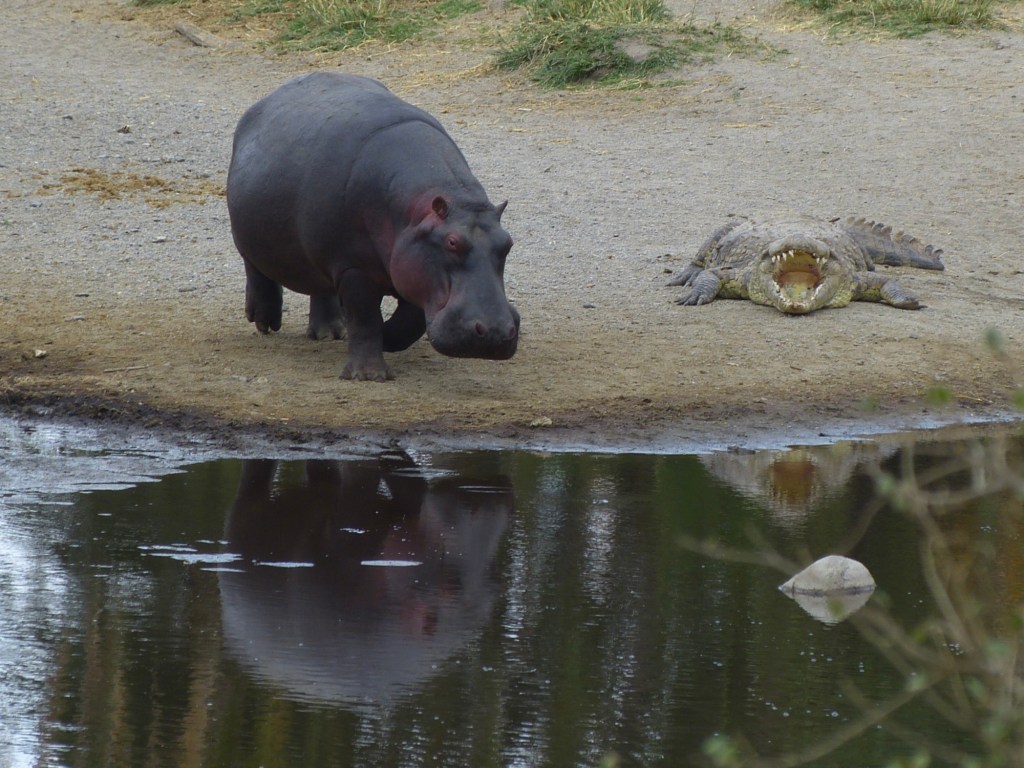
There were so many great hippo shots, I struggled to choose just one, but settled on the one that captured both the hippo AND the crocodile.

Babies are always popular, so here’s one hitching a ride on mom, with the second one shouting “hey, wait for meeee”.

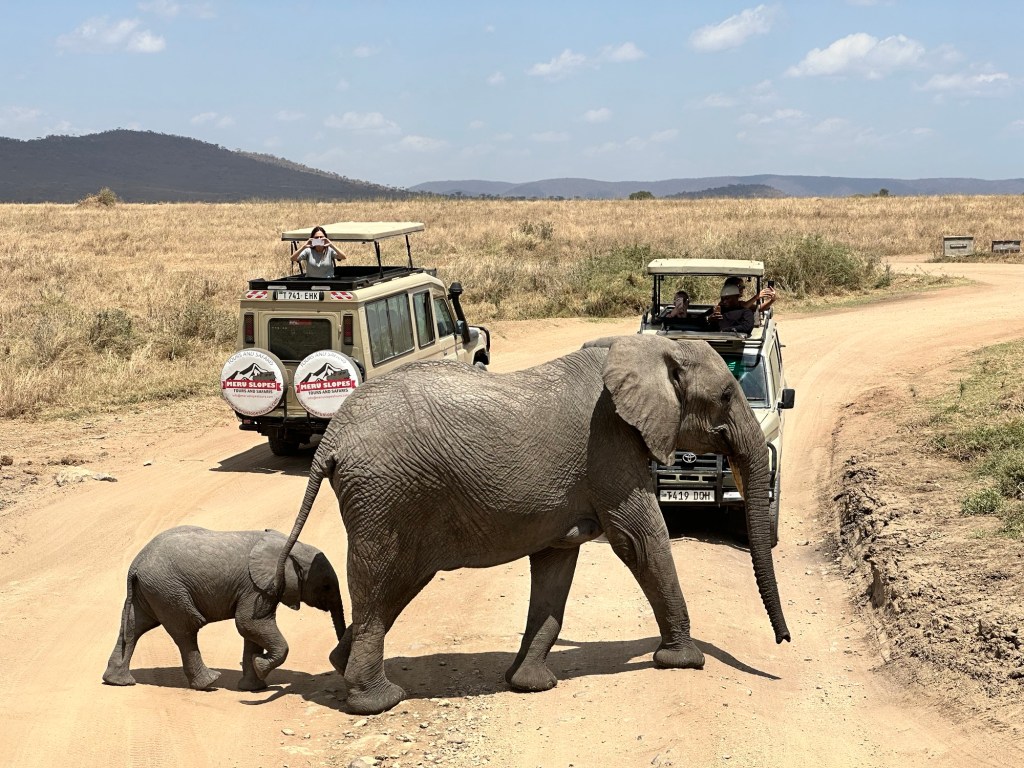
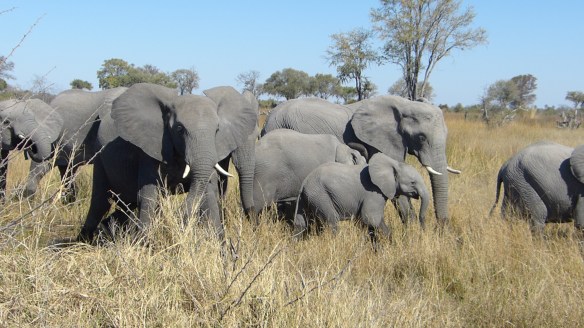
Mom and baby elephant walked right in front of us.

We can’t forget about the birds. I don’t have time to look up the name but it is a lilac something or other.

We are at the airstrip waiting to board our flight from the Serengeti airstrip to Arusha, so forgive any typos or autocorrect. I’m pressing publish without proofing.

Animals of Kenya and Tanzania

Is that not the most fascinating creature you’ve ever seen? Its official name is “secretariat” but Frederick, one of our drivers, calls it “the waiter” because of its black pants and white jacket.

Despite its weight, I decided to bring my Panasonic LUMIX with its zoom lens and not rely solely on my iPhone 14. Good thing.

Fellow traveler Sue’s IPhone 15 Pro had some amazing zoom capabilities, as evidenced by her “unicorn” shot.

Clearly, there’s a big difference between the iPhones.

My Lumix is great for distance shots,

but it also allows me to eliminate distractions, like this jeep jamboree.

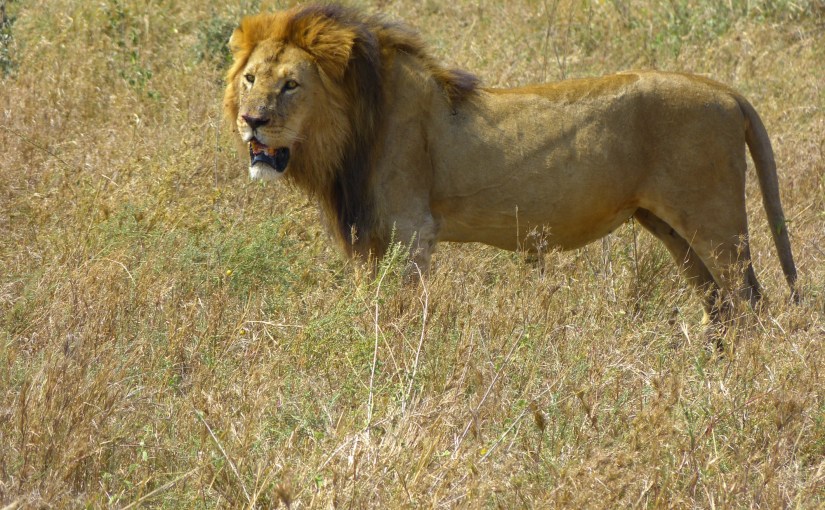
After being in Rwanda, where contact with animals was tightly controlled, we were horrified that the jeeps were allowed to get so close to this animal, but the lion didn’t seem to mind.

Although we would have liked to have had the animals to ourselves, as was the case in Rwanda, we also recognized how positive it is for their economy to have so many tourists visiting Kenya and Tanzania.

Sometimes the two legged creatures are every bit as fascinating as the four legged ones. Gotta have that Instagram shot for the friends back home.

I promised you animals in this post, so here goes— a tiny sample of what we have seen so far.

Our first hyena,

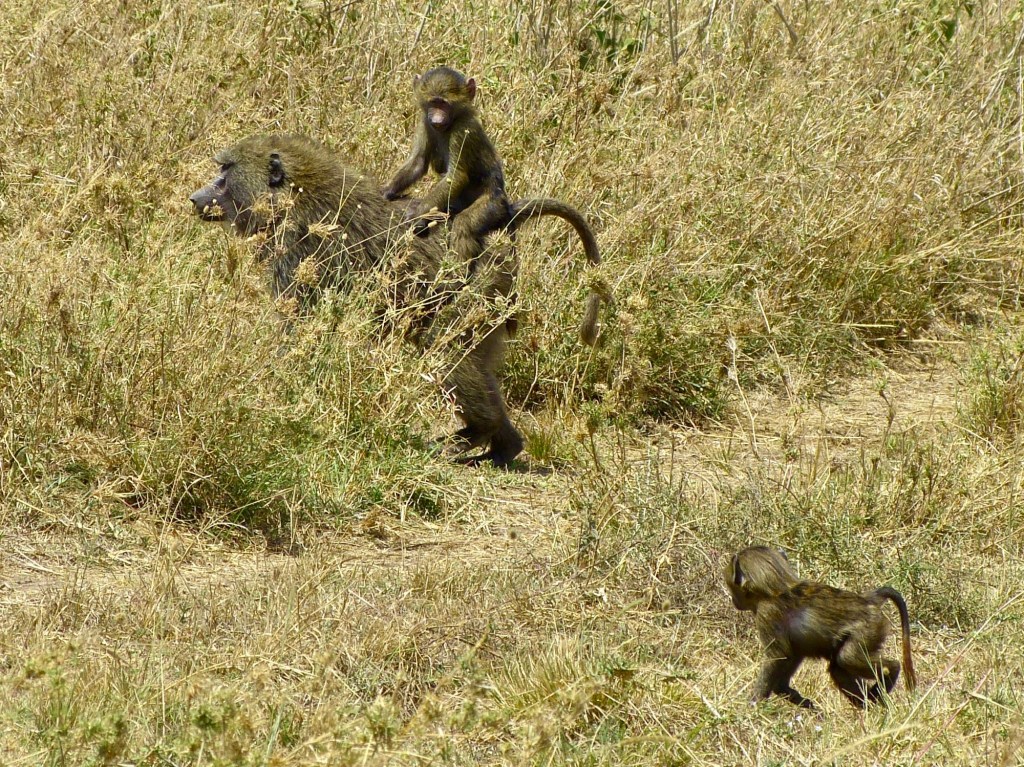
mom and baby baboon, (notice the red butt? It functions like a red light hung in a window.)

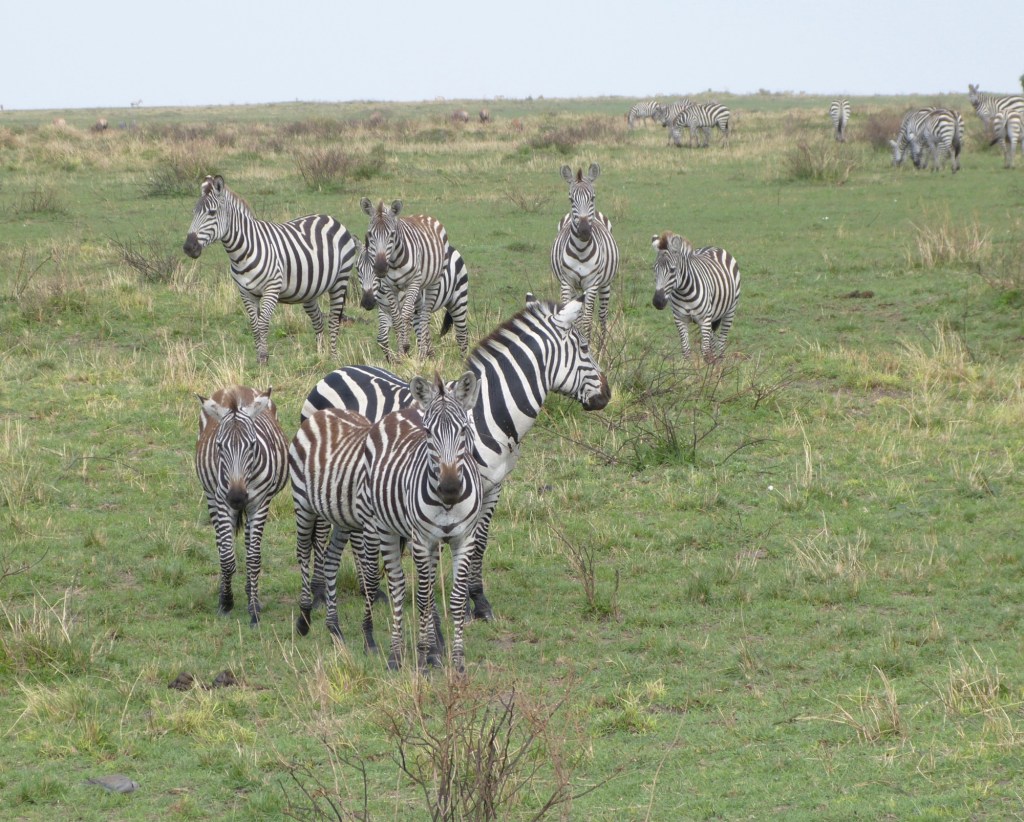
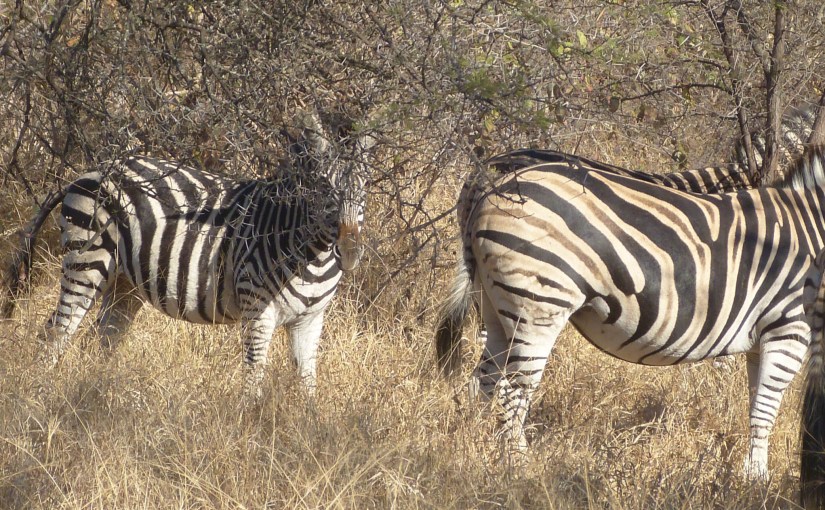
We’ve seen thousands of zebras. I like this photo because their stripes make it seem like an optical illusion.

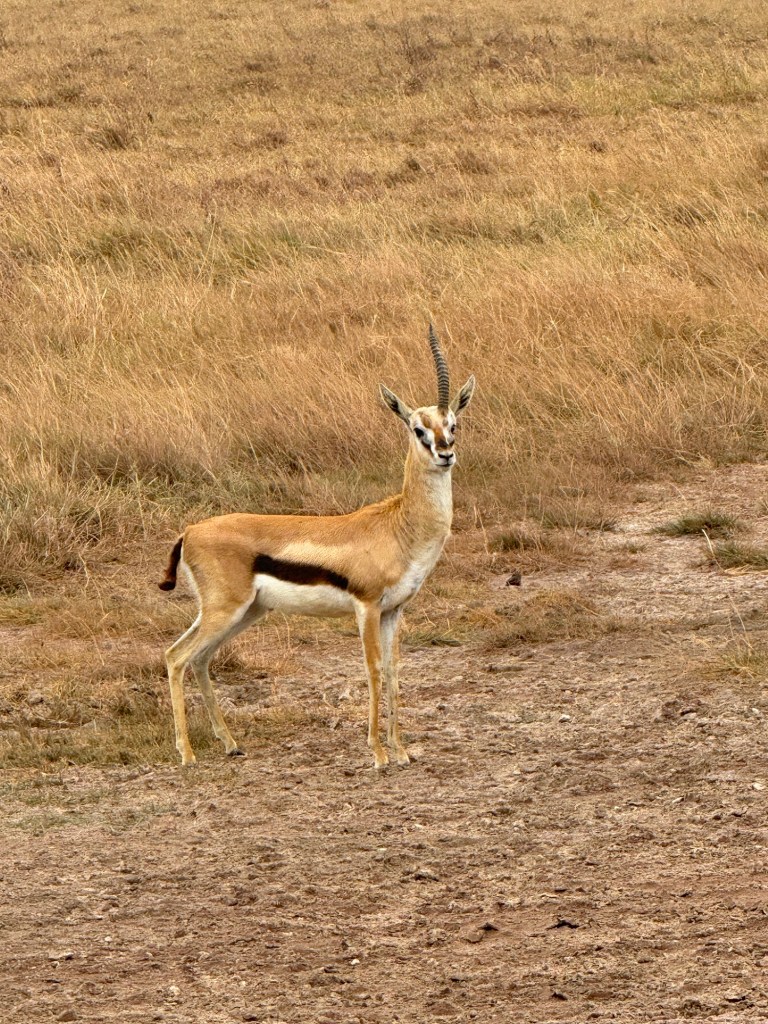
This baby antelope was only minutes old. We just missed witnessing the birth.

Although it might not be apparent in the photo, WE could all see the afterbirth dangling from mom. She was cleaning off her newborn so predators couldn’t smell it.

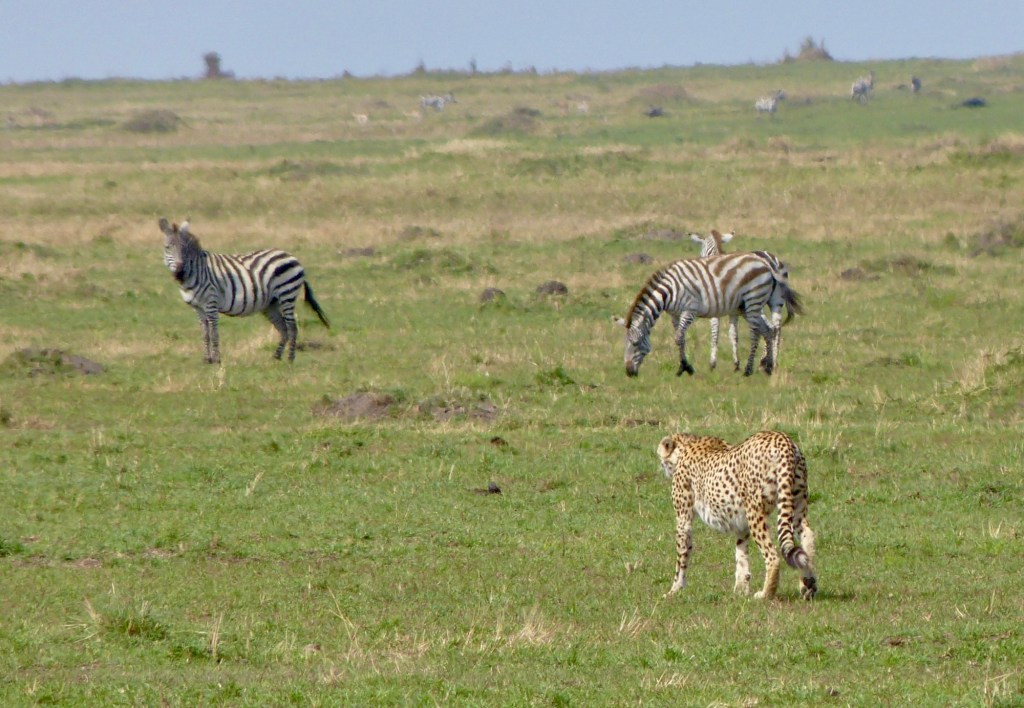
Do you know the differences between a cheetah and a leopard?

The cheetah’s spots are all the same color; a leopard’s spots are rosettes with two colors. The cheetah has a black line from its eye to its mouth, and they are the fastest animals on this planet, but leopards are stronger, bulkier and great climbers. But the biggest difference? So far, we’ve seen a cheetah, but haven’t seen a leopard.

I never get tired of watching the big cats doing their grocery shopping.

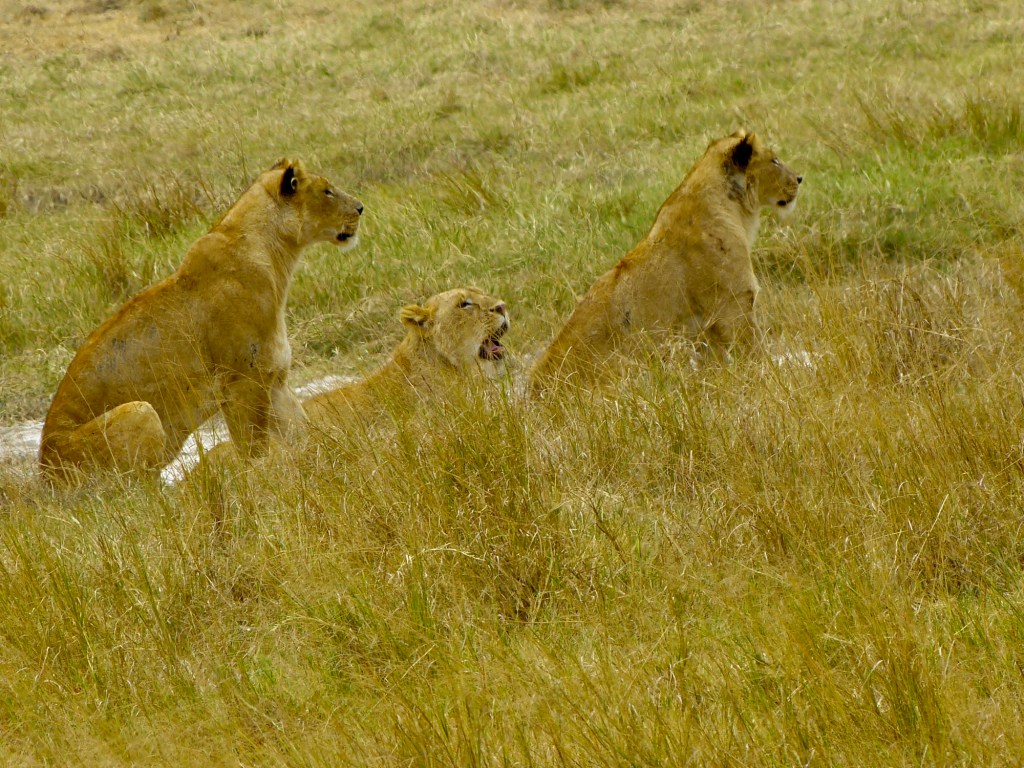
Like the cheetah, these lionesses are on the hunt, but for them, it’s a group activity.

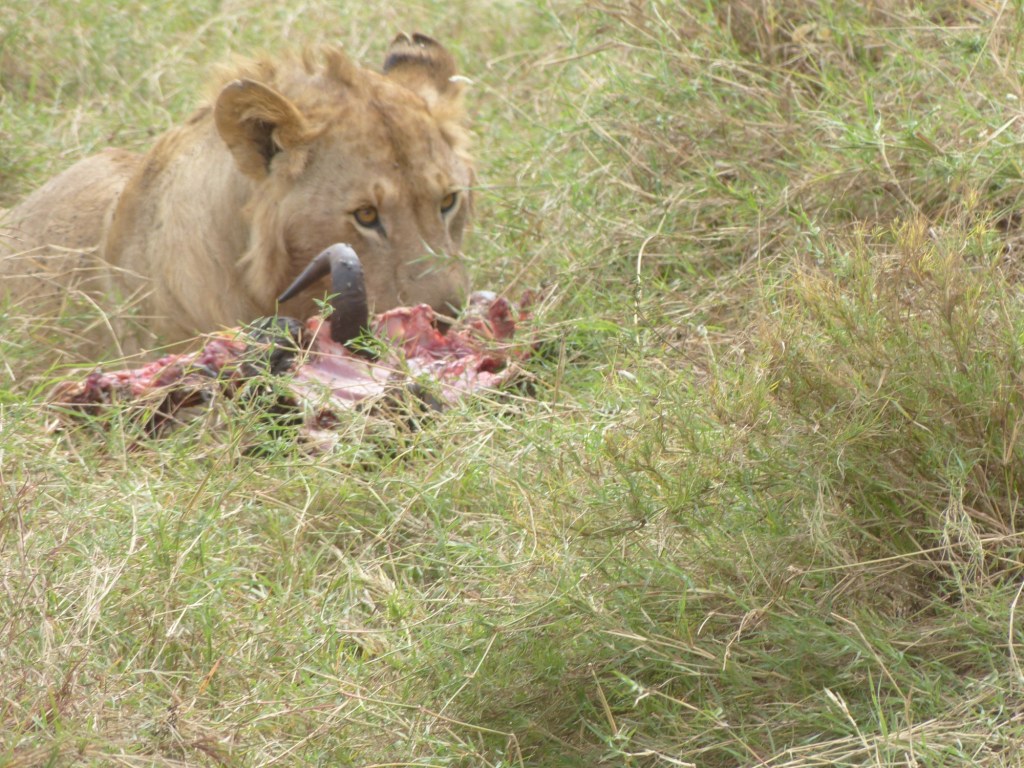
We didn’t witness the kill, but we DID see what happens after. Although HE had nothing to do with the meal prep, the dominant male eats first, then the lionesses, then the kiddies, then the oldest and weakest members of the pride.

We watched this young male chase his smaller brother away so he could fill up in peace. After he’s satiated, little brother is welcome to the leftovers.

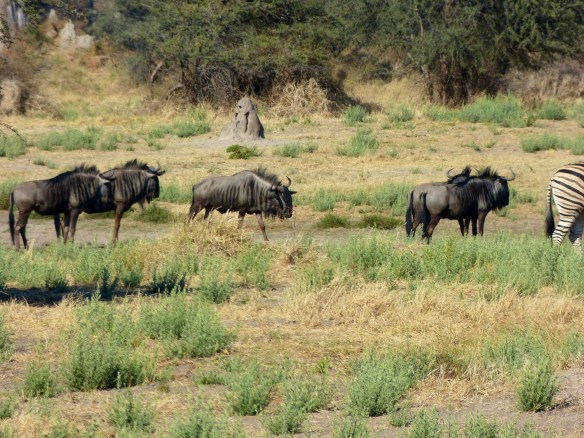
See that horn sticking up? That identified the victim as a wildebeest. Theses guys were as numerous as the zebras, and we frequently saw them traveling together.

On this trip we have 5 full day game drives, (leaving between 6:30 and 7:30 AM, returning between 3:30 and 5PM), and 10 drives split between morning and afternoon. Believe it or not, I opted to sit out one full day and one afternoon drive, choosing instead to hang out by the pool, watching the black faced monkeys and the beautiful birds.

Here’s the thing. The roads are extremely dusty and incredibly bumpy. Sometimes you’re bumped and jostled for over an hour in search of elusive game. Because of the dust, the windows of the safari vehicle have to stay closed. And the afternoons are hot.
Hot, dusty, bumpy drive or an afternoon sitting by a pool in a beautiful hotel, reading a fascinating book about the Kibera slums (“Find Me Unafraid“ by Kennedy Odede and Jessica Posner)? Knowing there would be abundant opportunities to see animals made my decision easy.

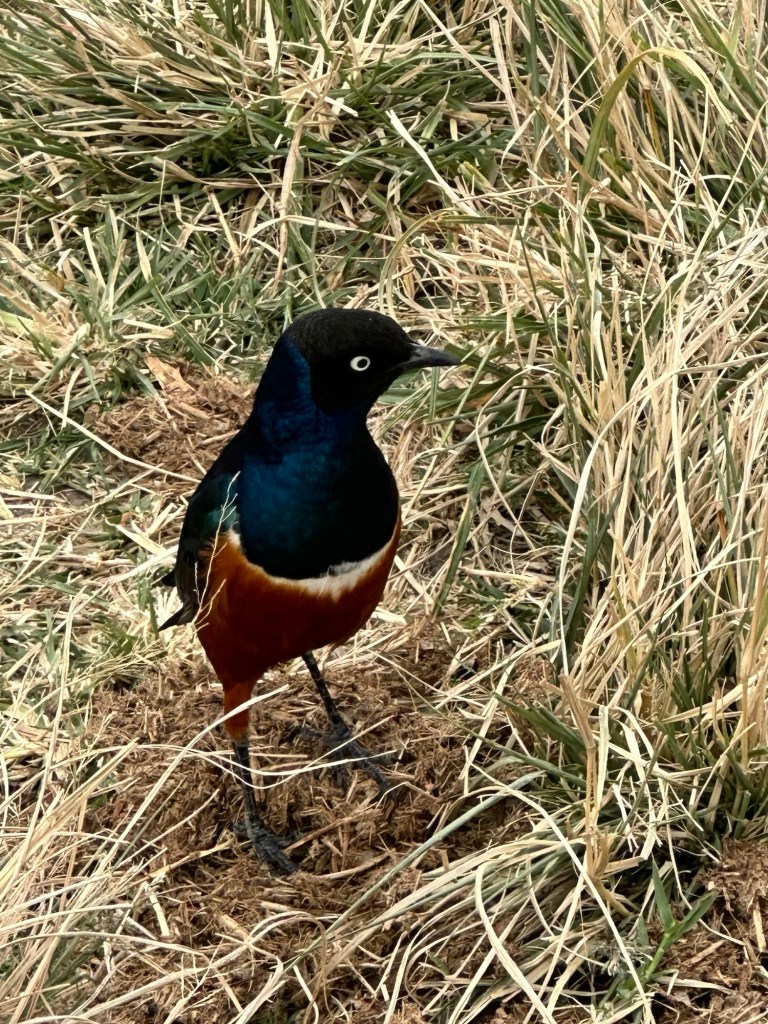
These starlings are iridescent.

Tomorrow we leave for four days in the Serengeti, where we will have NO connectivity, so here are a few quick photos before we go “off the grid”.

Crown cranes,

There’s more, but it will have to wait for Arusha, because of the wonky internet.

Answers to Africa Quiz #3

Well, you surprised me.  I never thought you’d figure out this first one, but Sue, Lindy and Sandy know poop when they see it.

can1. The can attached to the bumper of the jeep contained elephant dung.  It is set on fire and acts as a VERY effective mosquito repellant.  So glad we didn’t have to rub it on our skin!

Is there no end to the number of uses for elephant dung?  With so much of it around, you might as well find a way to use it!  I was continually impressed by the inventiveness and creativity of Africans.P1090276

P1070905

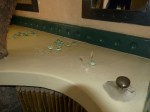
2. This is the sink in the ladies’ room at Phalaborwa Airport.   The water bubbles up from holes in the sink’s surface.  All you have to do is turn that brown knob on the right to get the water going. WE probably never would have figured that out, except a local lady happened to be washing her hands while we were there.

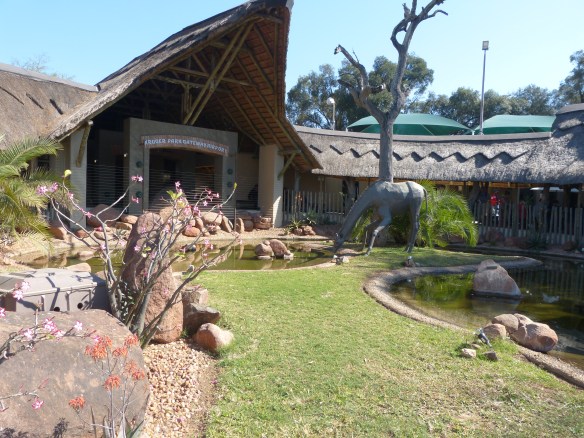
P1070005And what a cute airport Phalaborwa is! A South Africa copper mining town, it appears to generate enough revenue so the government can afford to make the airport quite lovely and comfortable, with great animal sculptures.

Note that not ALL airports were like Phalaborwa.

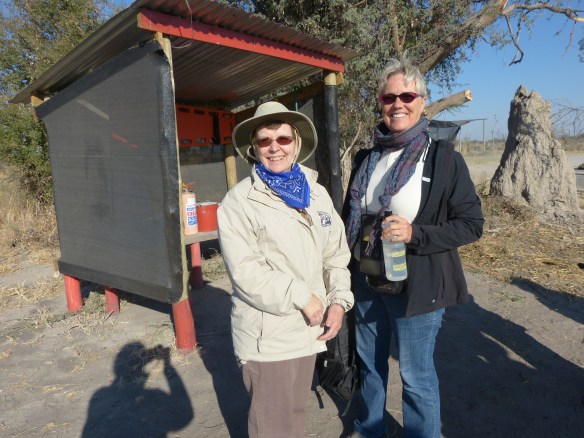
Maureen and Jeanne at the Maureen and Jeanne at the “airport” on our way to the Okavango Delta, Botswana.

What you see in the photo above is what you get– a landing strip and a little shed with ax, fire extinguisher and stretcher.  Oh yeah, and a few huge termite mounds.  Did you notice the big one on the right?

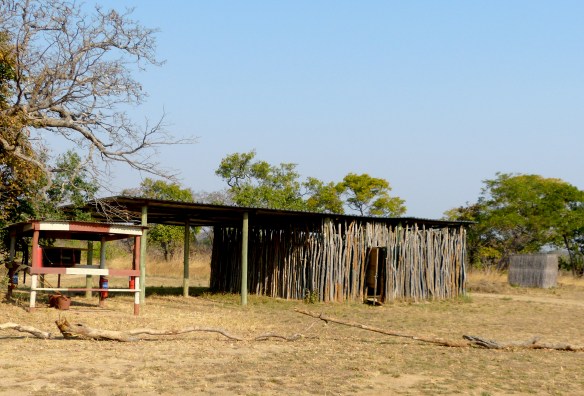
The airport for Lufupa, the Zambian camp, was a bit larger–it had TWO structures.

The bathroom is the smaller structure on the far right. The bathroom is the smaller structure on the far right.

3. The connections among these objects?  The mopane worm feeds on those leaves, which are from (no surprise) the mopane tree.  The worms are a delicacy, so much so that they are featured on the coins of Botswana.P1100359

Hey, before you get all judgmental on me, remember,  we eat lobsters and crabs–and don’t even get me started on that rubbery stuff we call calamari!

But don’t think that we were just eating worms and warthogs.  Check out this feast…I mean snack.

Our 3:30 PM Our 3:30 PM “snack” before the afternoon game drive. Can we make it till our “sundowner” break at 6:00? What about dinner at 7:30?

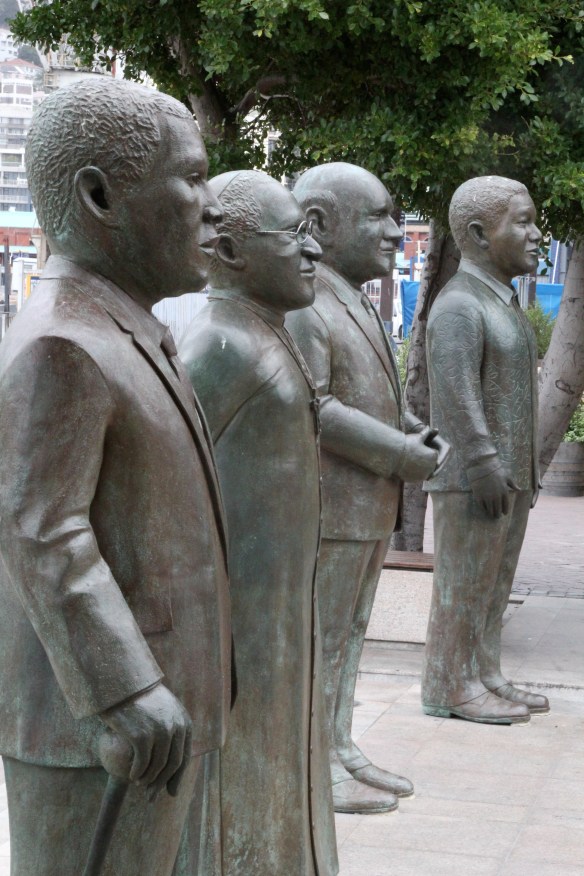
4.  The  Nobel Peace Prize winners were Chief Luthulu, Archbishop Tutu, De Klerk, and Nelson Mandela.

At Victoria and Alfred Waterfront, CapeTown At Victoria and Alfred Waterfront, Cape Town

The long flights, plus time spent hanging in airports, gave me ample opportunity to read all 600+ pages of Nelson Mandela’s Autobiography, “Long Walk to Freedom”.

What an incredible man-to be imprisoned for 27 years and still be able to forgive his captors because he knew that was the only way for his country to heal and to move forward.  He makes our red/blue, right/left, Democratic/Republican disagreements look so very petty and silly.

Travel is such a broadening experience.  Seeing how far South Africa has come since apartheid and comparing it to Zimbabwe under Mugabe further underscores Mandela’s greatness and the power of forgiveness.   We could learn so much from Mandela.

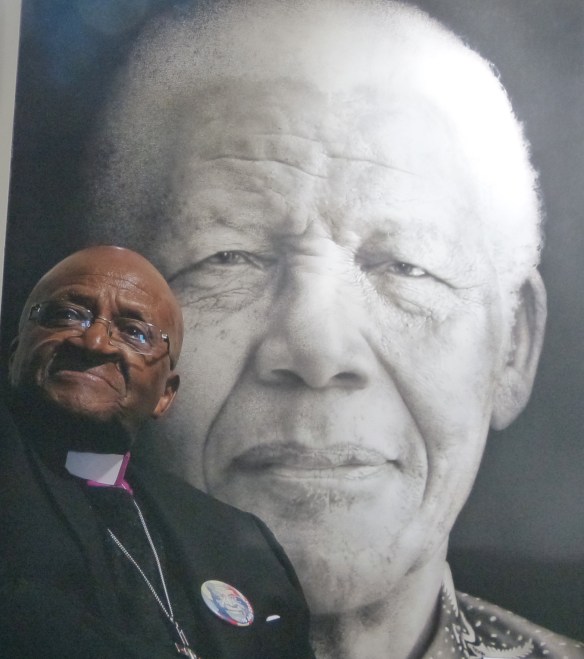
Tutu in front of a photo of Mandela, at St. George's Cathedral. Cape Town. Tutu in front of a photo of Mandela, at St. George’s Cathedral. Cape Town.

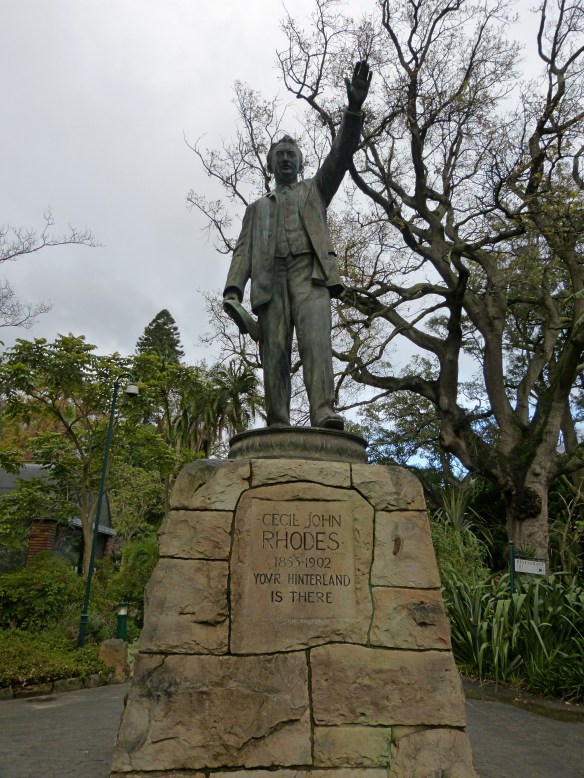
5. Cecil Rhodes managed to accomplish so much during a rather short life time. P1110234
Although he died before his 49th birthday, Rhodes amassed quite a fortune from his success mining diamonds. Some noteworthy accomplishments: He bequeathed the land that became the Kirstenbosch Gardens to South Africa, he got the bridge over Victoria Falls built, he established a trust that funds Rhodes Scholars, oh yeah, and he did manage to get a country named after himself (Or was that TWO countries?  What is now Zambia was Northern Rhodesia, and Zimbabwe was known as Rhodesia.)

Time to take a break from Africa and move to another continent.  Hope you’ll come along!


Africa Quiz #2

We had so much fun with the last quiz ( and I believe I am using the papal “we” here), I figured we’d do it again.

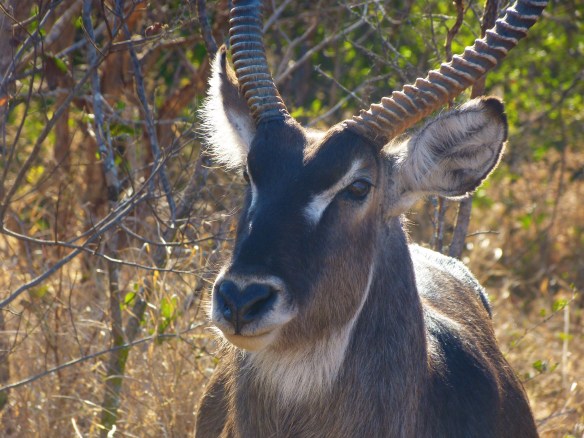
1. What is the difference between an antelope and a deer?
image
2. Which creature built this structure? Hint: the one with the hat is NOT the correct answer!
image
3. This animal has two popular names. Do you know what they are?
image
4. What creature built THIS structure? image
5. How did this impala get into the tree?
image
6. What do you think THIS is?
image

Good luck!
Answers when we get to Cape Town.