
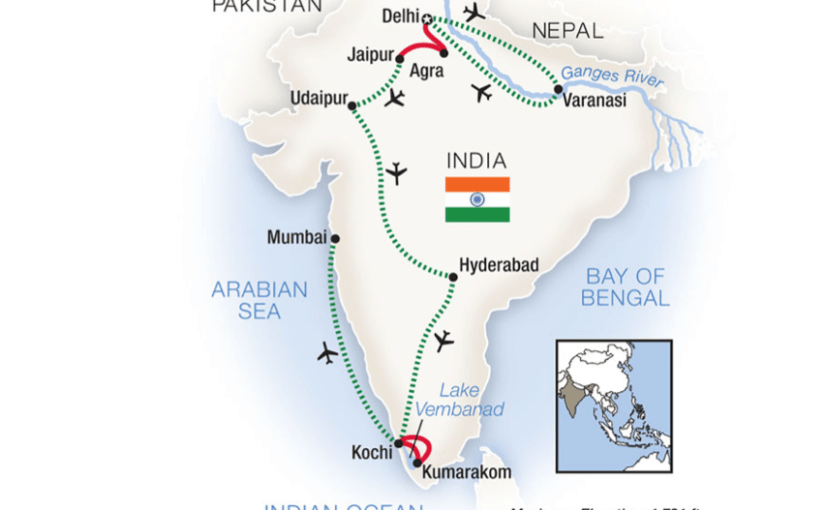
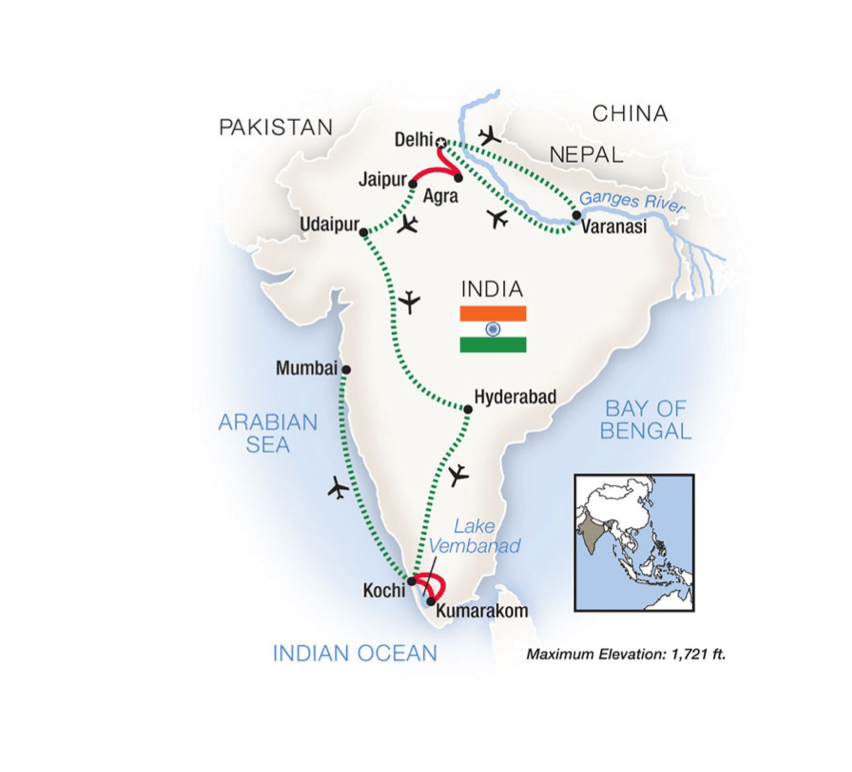
Our trip ended with a three night stay in Mumbai, which up until 1995 was known as Bombay, the name the Portuguese gave it.
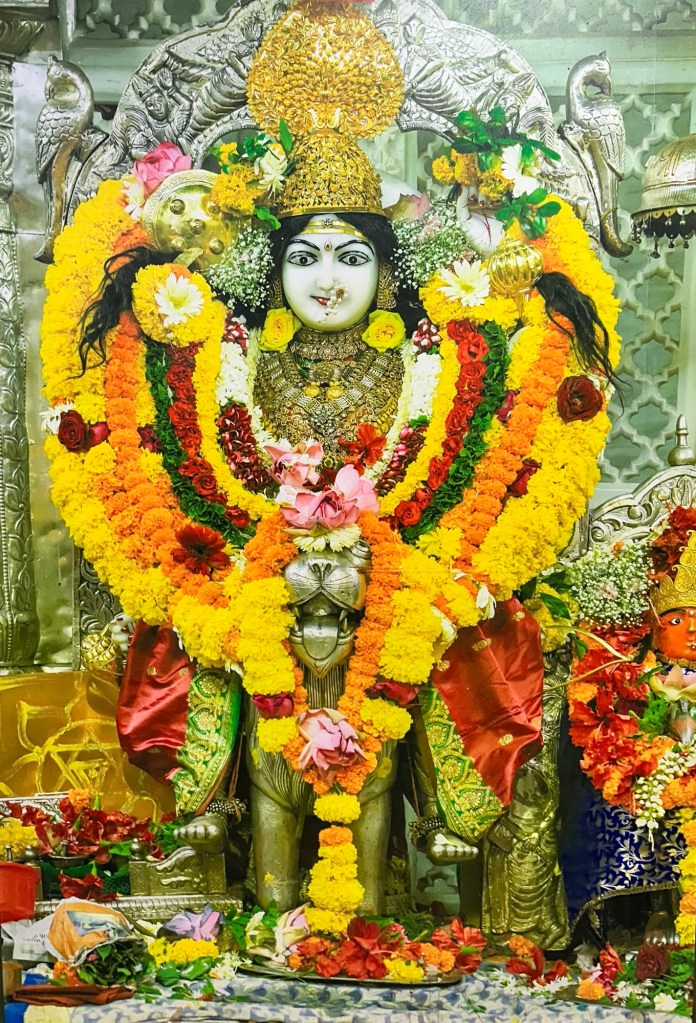
I always thought that Mumbai was the Indian pronunciation of Bombay. Shows what I know. In fact, the city was named for the Goddess Mumba Devi, whose image appears on the wall of Victoria Station.
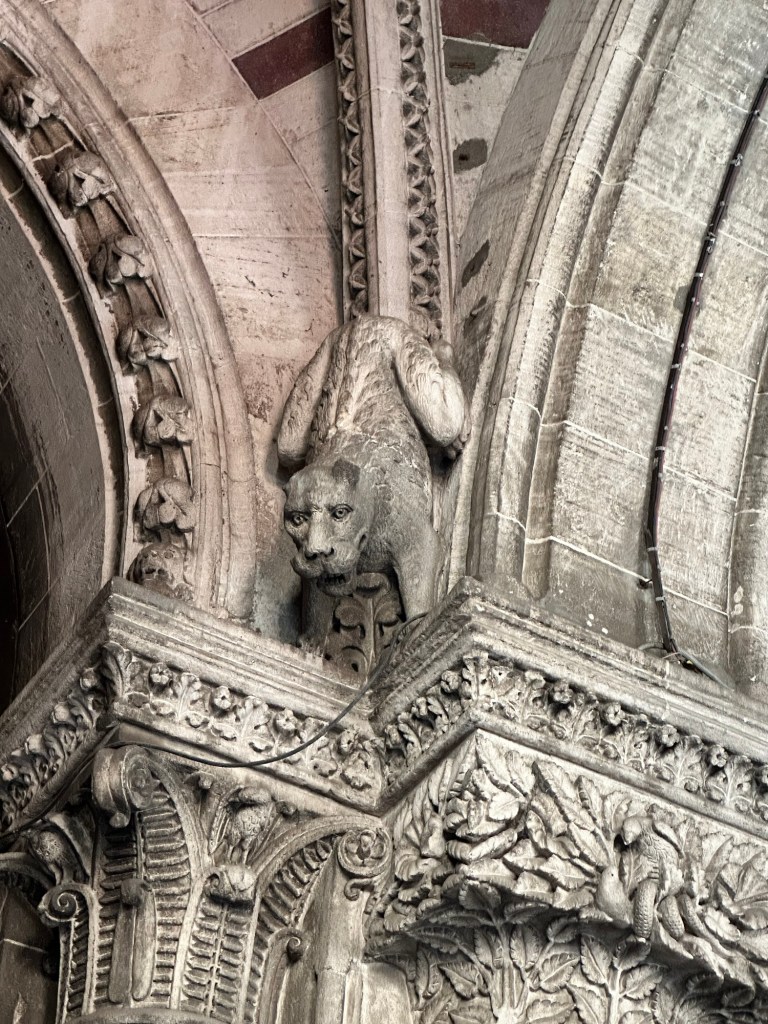
Here are some other photos of Mumbai’s beautiful train station.

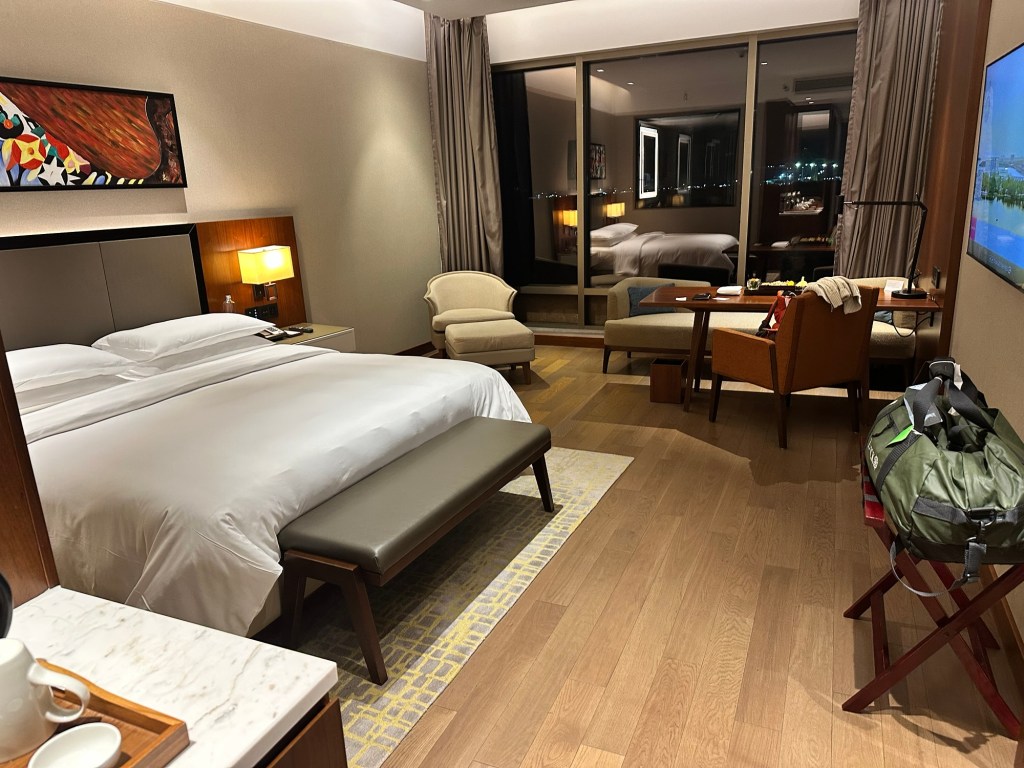
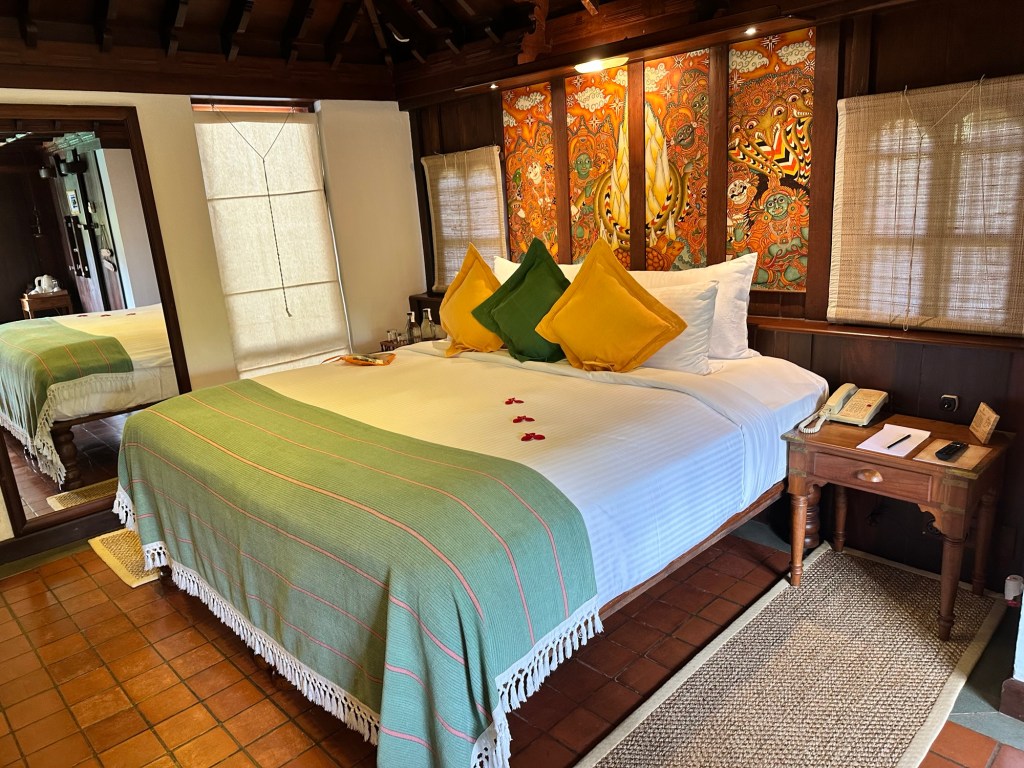
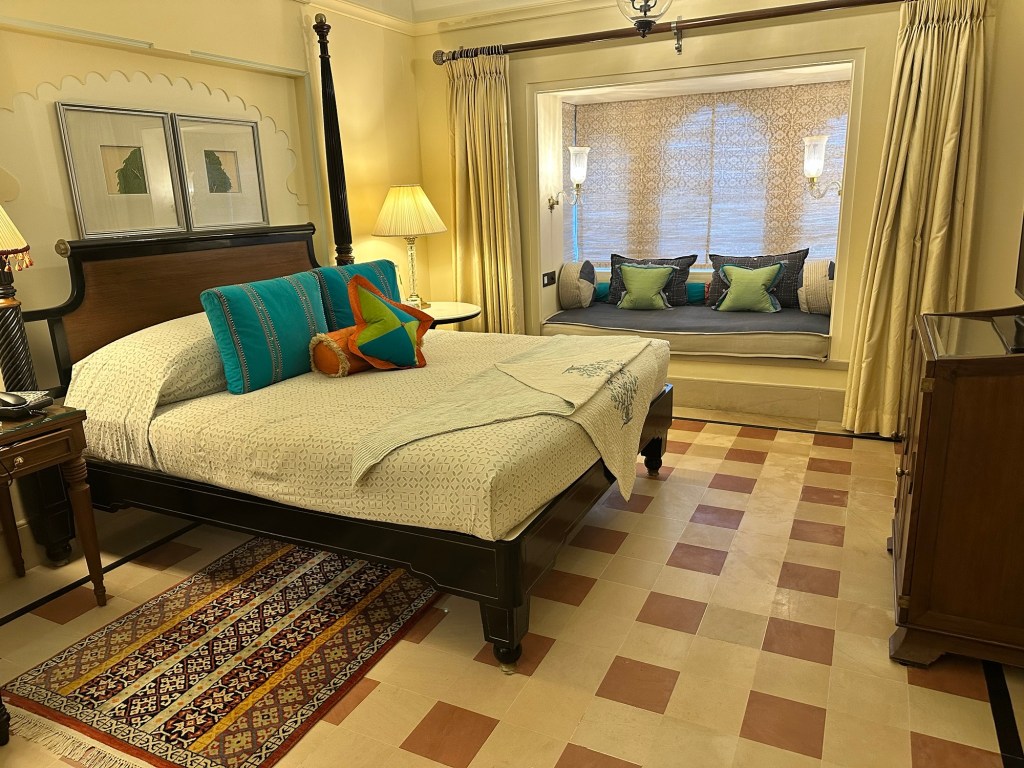
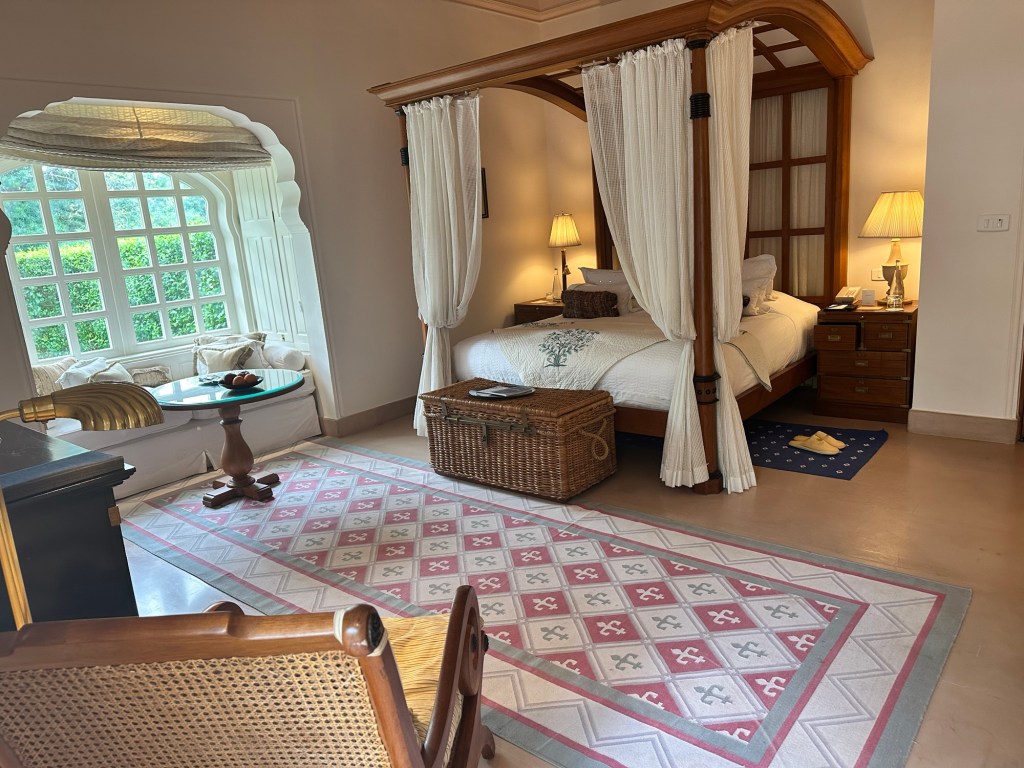
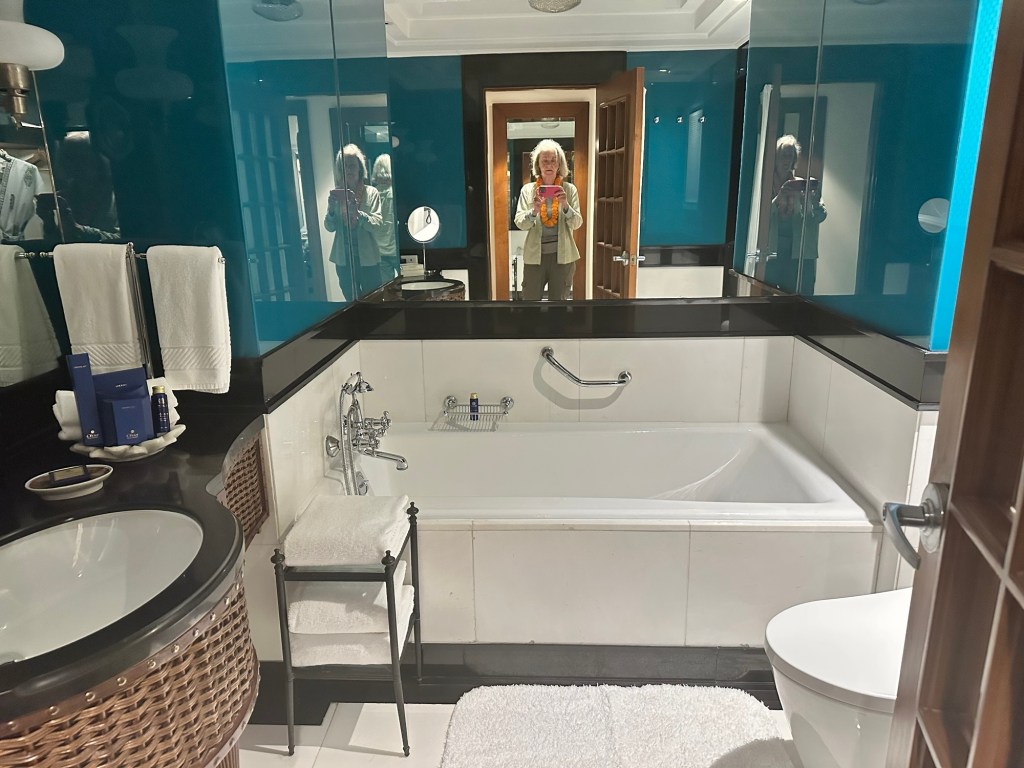
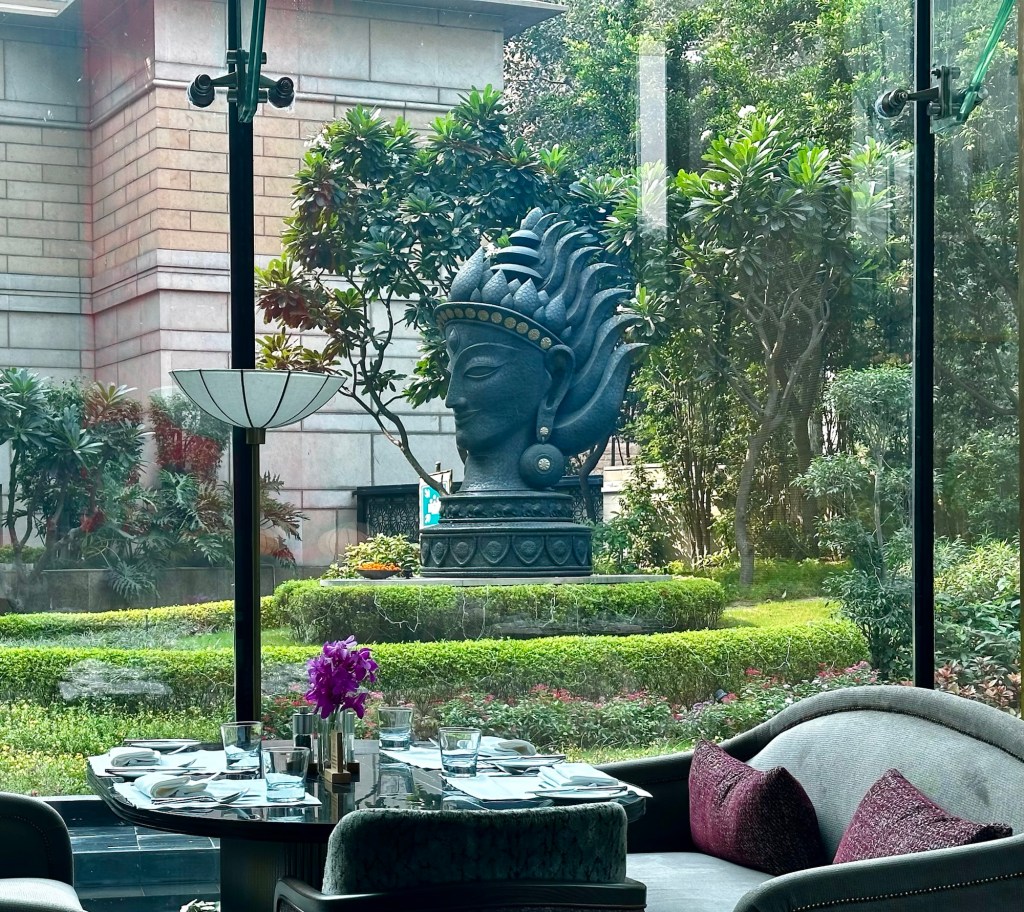
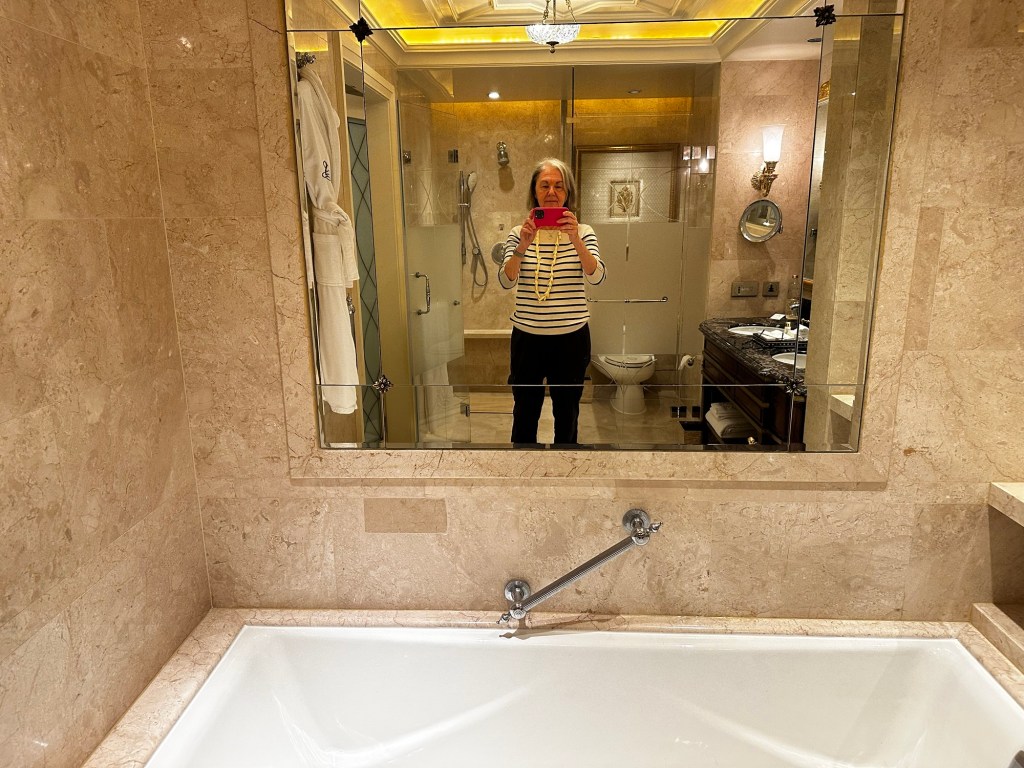
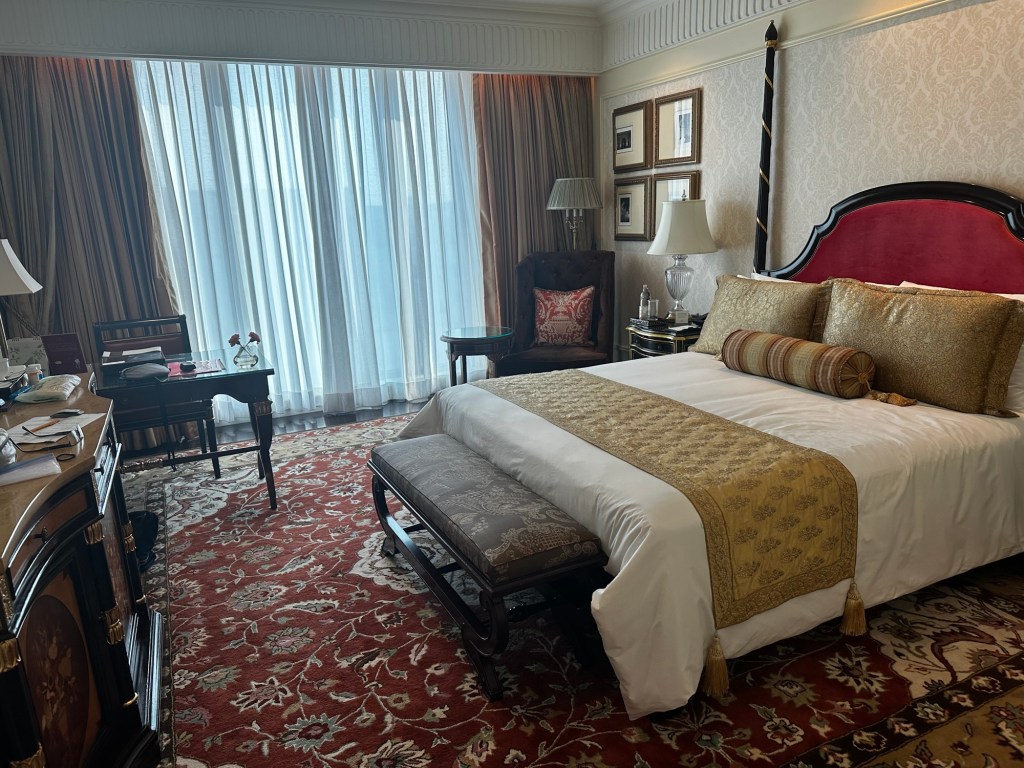
Our stay is at another Oberoi, and to tell the truth, I’ve gotten extremely spoiled. Although certainly more than adequate, this room isn’t over the top breathtaking, like the other hotels in the chain. It DID, however, have an amazing outdoor bar, from which we could watch the sun set over the ocean.

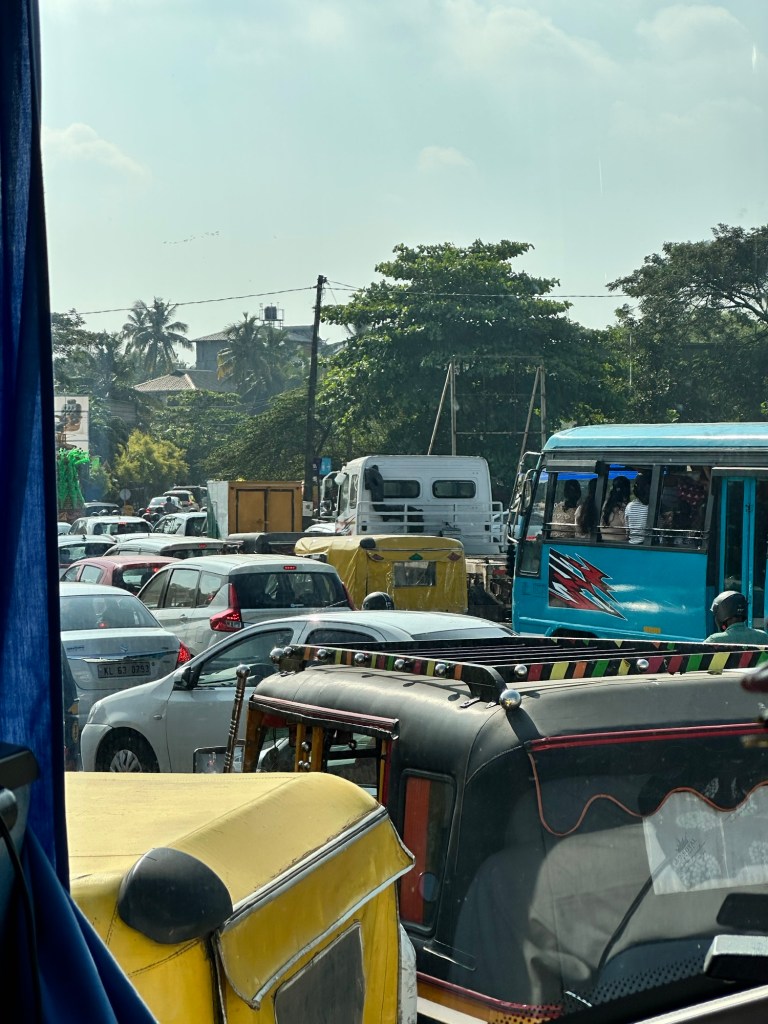
I hope that this blog helps dispel any preconceived notions about India. Yes, it can be crowded and dirty, and the traffic is CRAZY!
Our local guide (whose name I have forgotten) said that to drive in India you need three things:
“A good horn, good brakes and good luck”
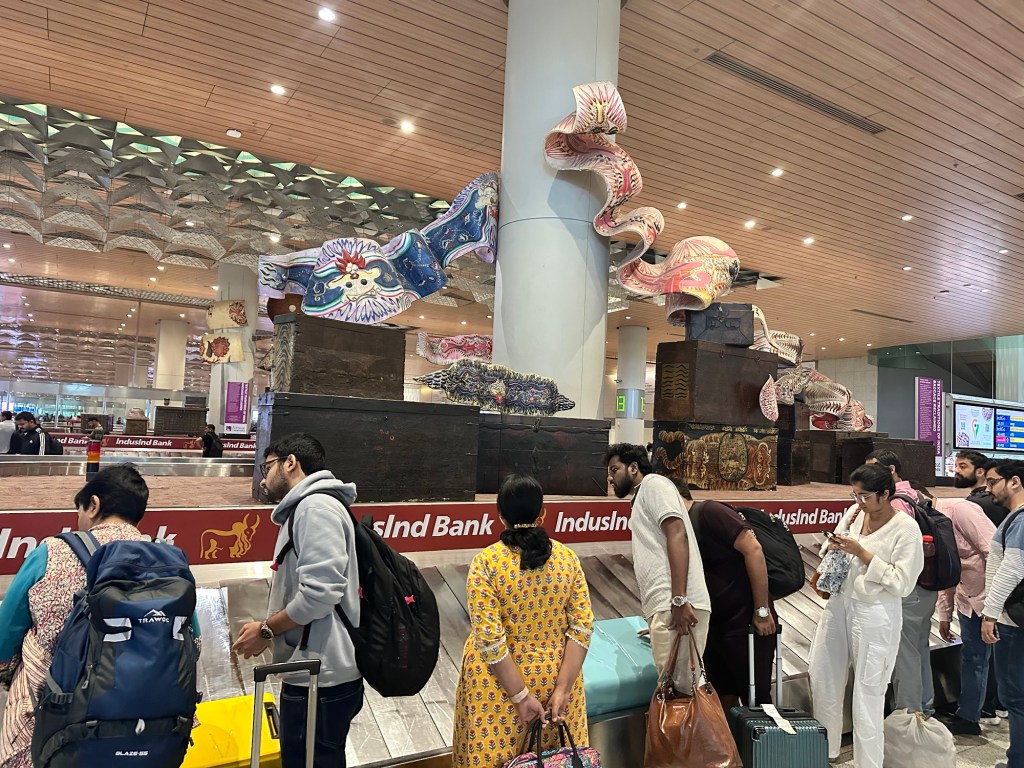
India is also pretty damn magnificent. I am so very grateful that I was able to experience its wonder and grandeur. Take a look at how Mumbai’s airport puts many American airports to shame.

During our stay, we had a delicious lunch at the Taj hotel, which was one of the locations where the 2008 terrorist attack occurred.
The “new” Taj Hotel has a memorial in its lobby. Beside the waterfall are carved the names of everyone who lost their life at the Taj during the attack.

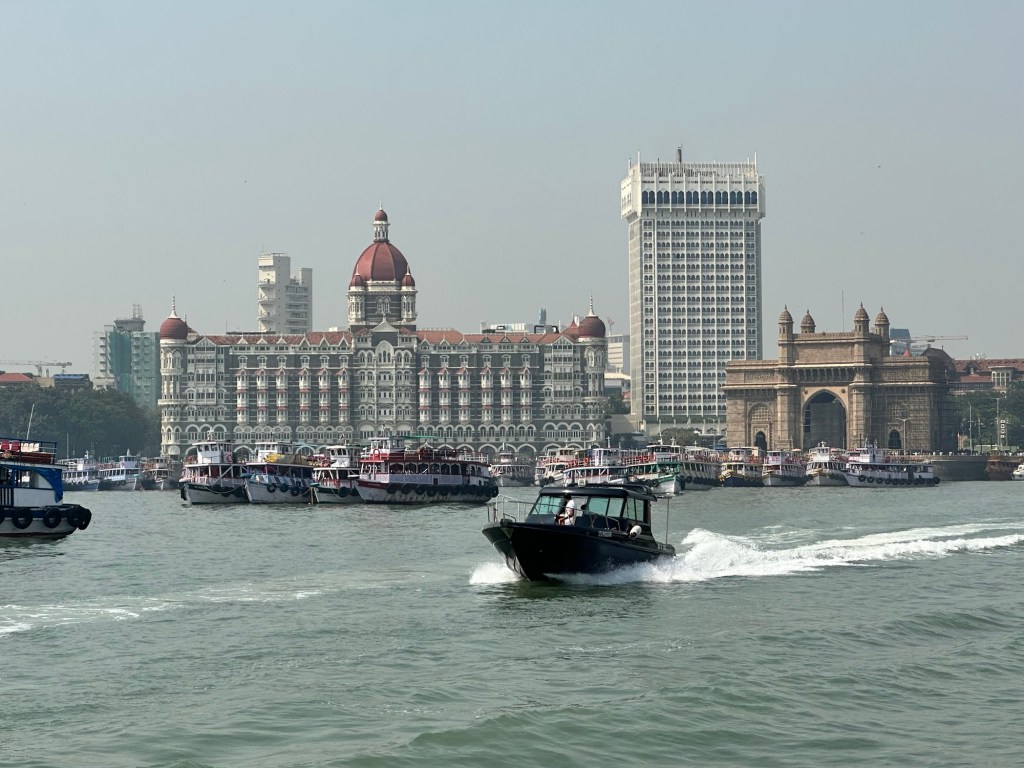
Our lunch was on the top floor of the new Taj, from which I was able to take this photo of the Arch (known as the Gateway of India) that was constructed for King George (whatever number he was—maybe George 5?) and Queen Mary’s visit.

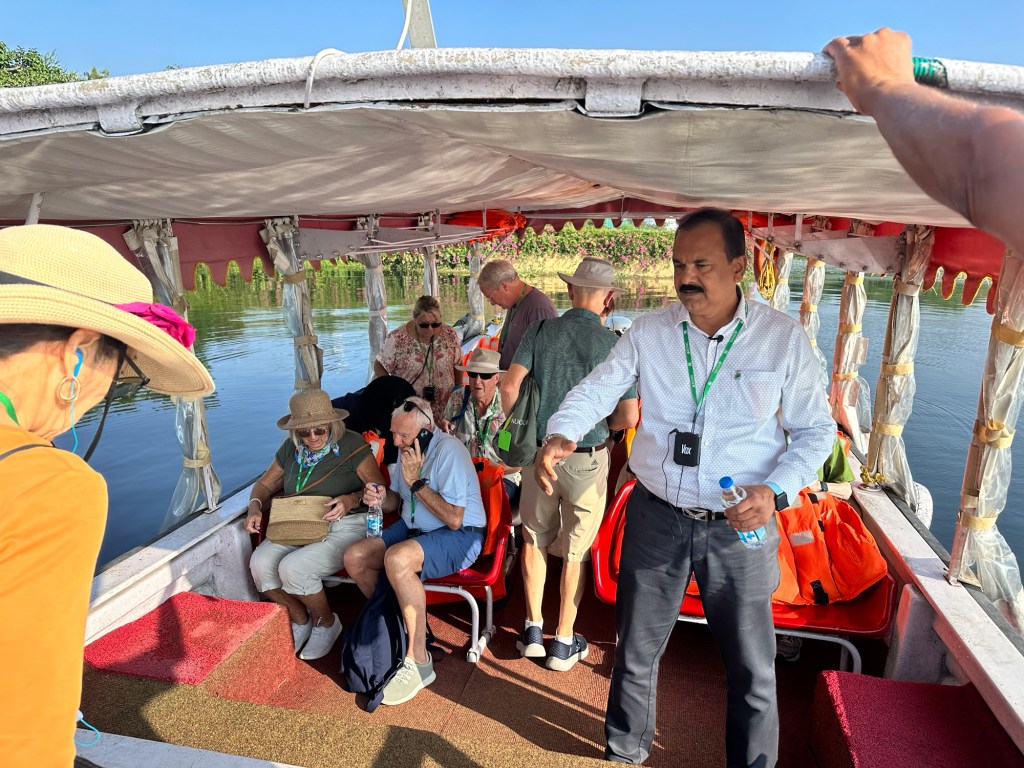
Our boat ride to Elephanta Island gave us a a different view of the arch, plus the old and new Taj hotels.
Initially, what is now Mumbai was comprised of 7 islands, until the East India Company took possession, and decided to fill in the water between the islands, thus creating what has become today’s city. During our tour, our local guide pointed out areas that had been reclaimed from the sea.
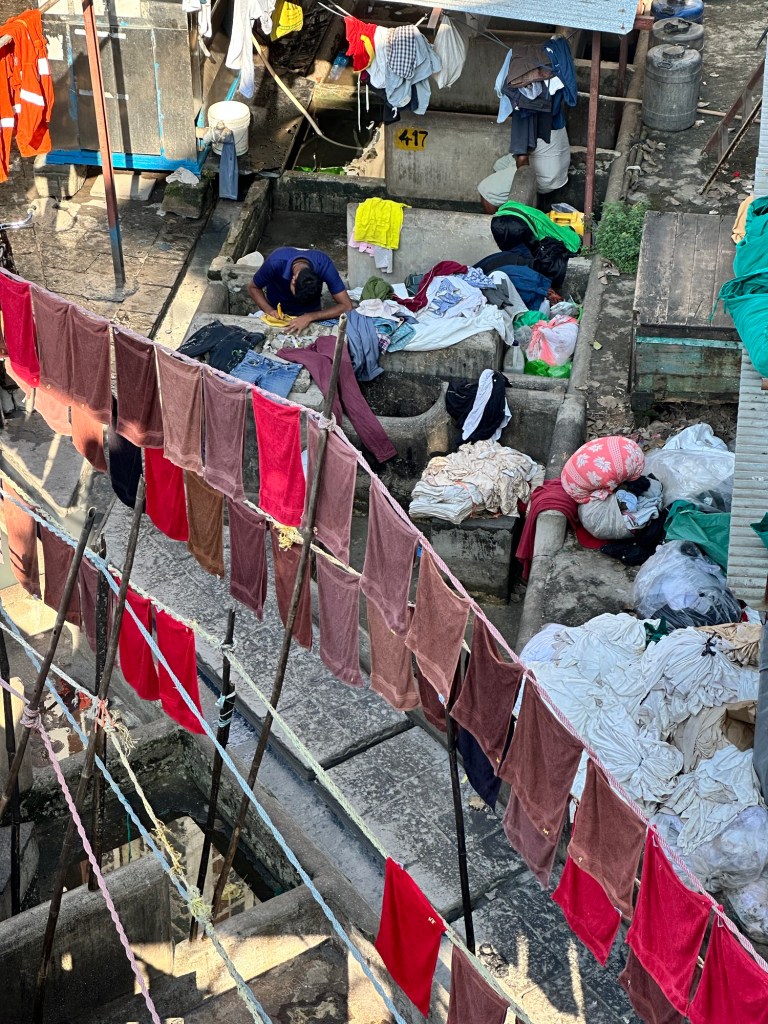
Other interesting sights included the Dhobi Ghat, where laundry is done in the open air. Our guide told us the water is only changed at the end of the day. Yikes! These days, many Indians have washers and dryers, so commercial enterprises are the ghat’s chief customers. I suspect that the Oberoi’s linens are NOT laundered here.
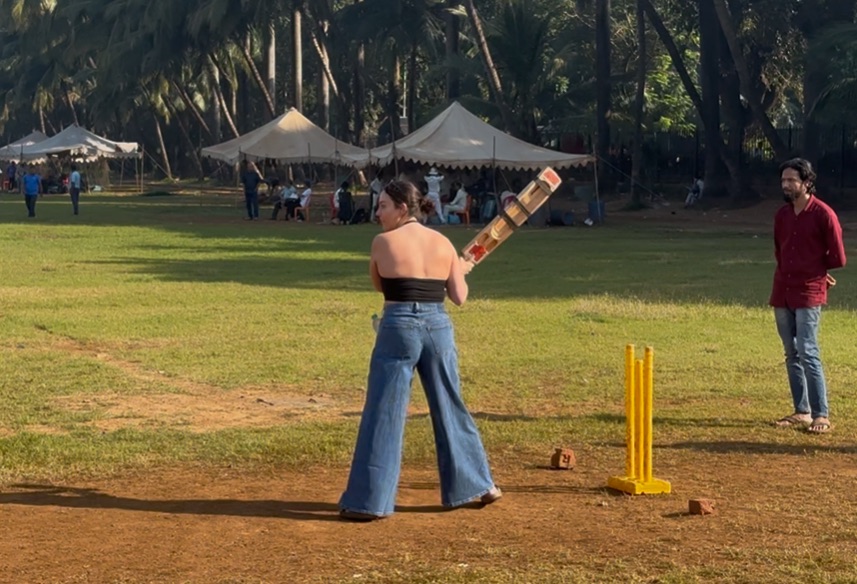
Other sights included Jeff, Tom and Whitney all trying their hand at cricket.

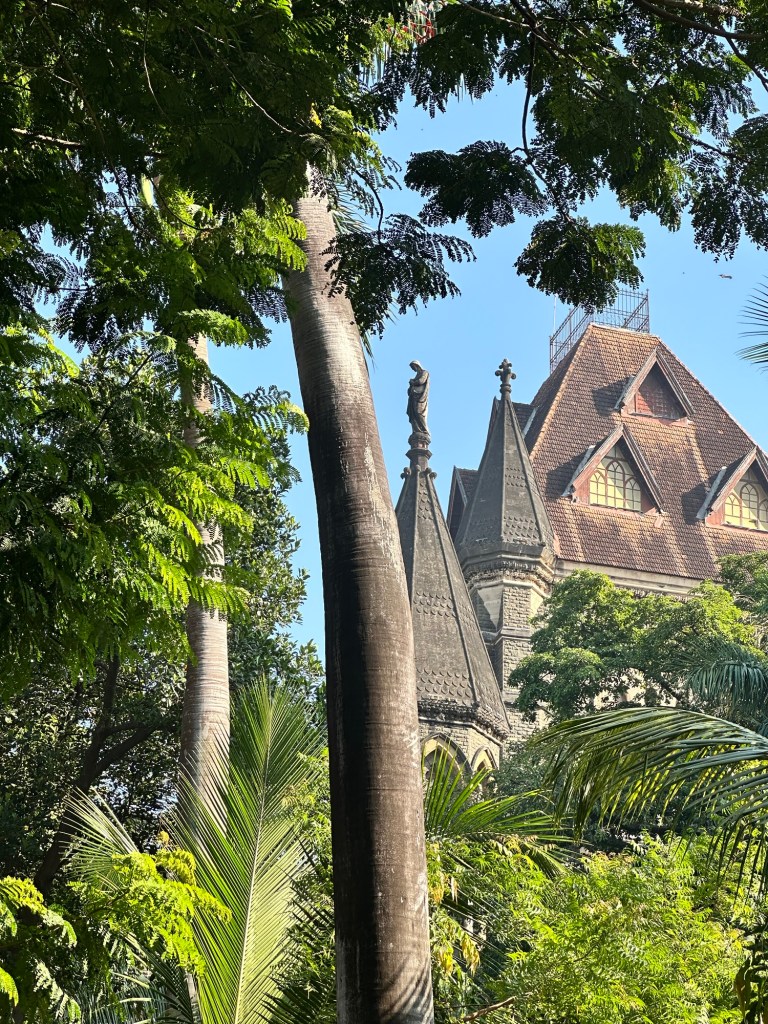
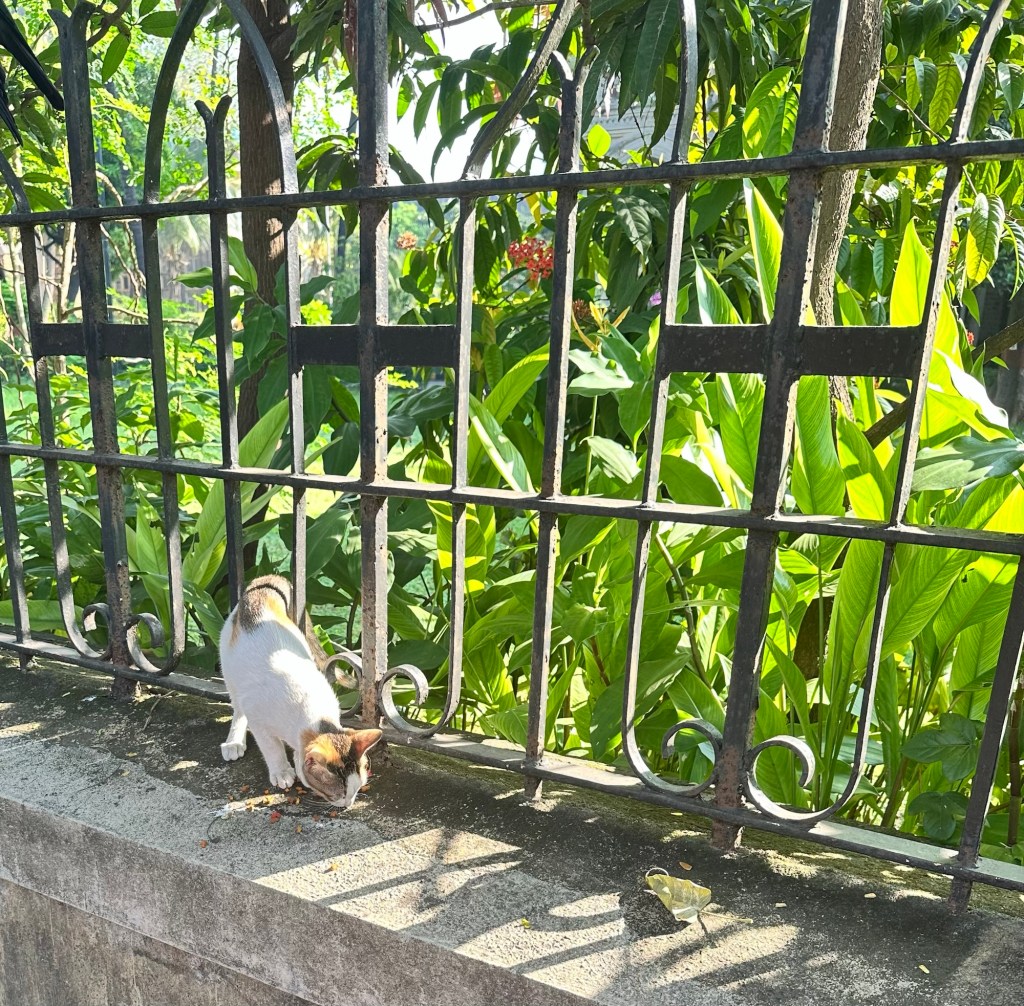
Some of the pews in St Thomas Cathedral were adorned with metal plaques identifying famous butts that were placed upon them, such as Mother Theresa and King George & Queen Mary. Guest preachers, however did not get similar recognition. But they certainly SHOULD have.

One of the most fun activities was feeding the “good luck” cow. Supposedly Indians who did so, would be guaranteed good luck. Their next stop was to the nearby stock exchange.

OUR next stop was to this jazzed up Starbucks, where we tried our luck at finding a clean bathroom. We were successful, so maybe feeding the cow does work.

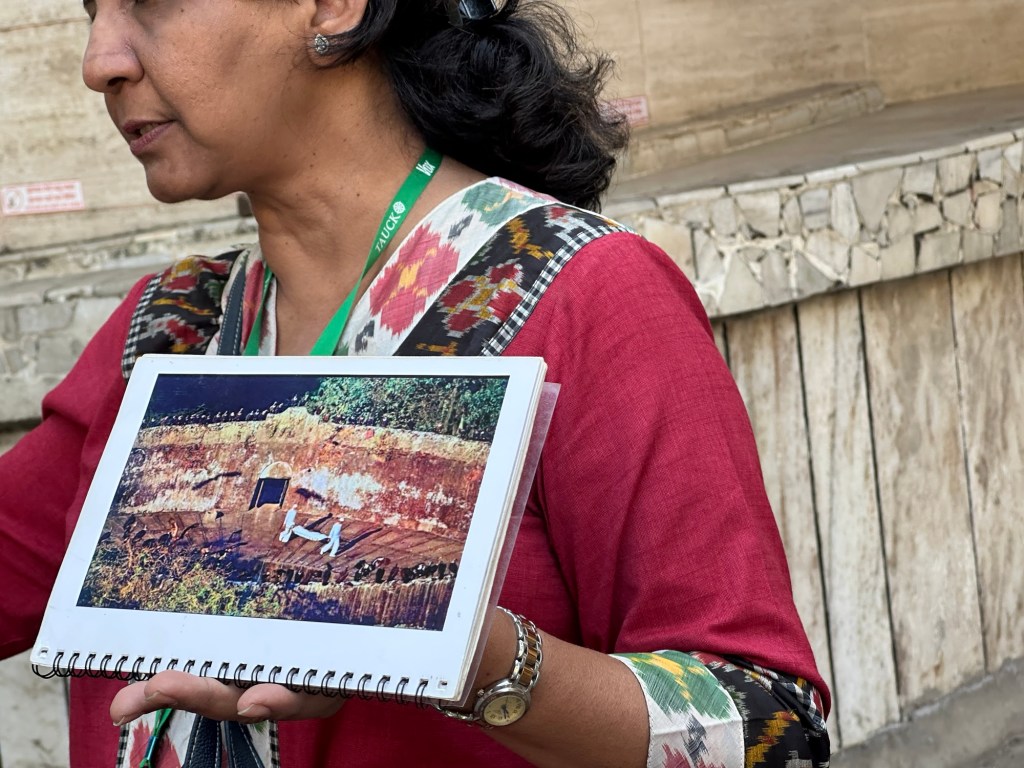
My final stop for the day was to watch the dabba wallahs decode which lunchbox gets delivered where. As you can see from the photo of one code, it is quite an elaborate system.

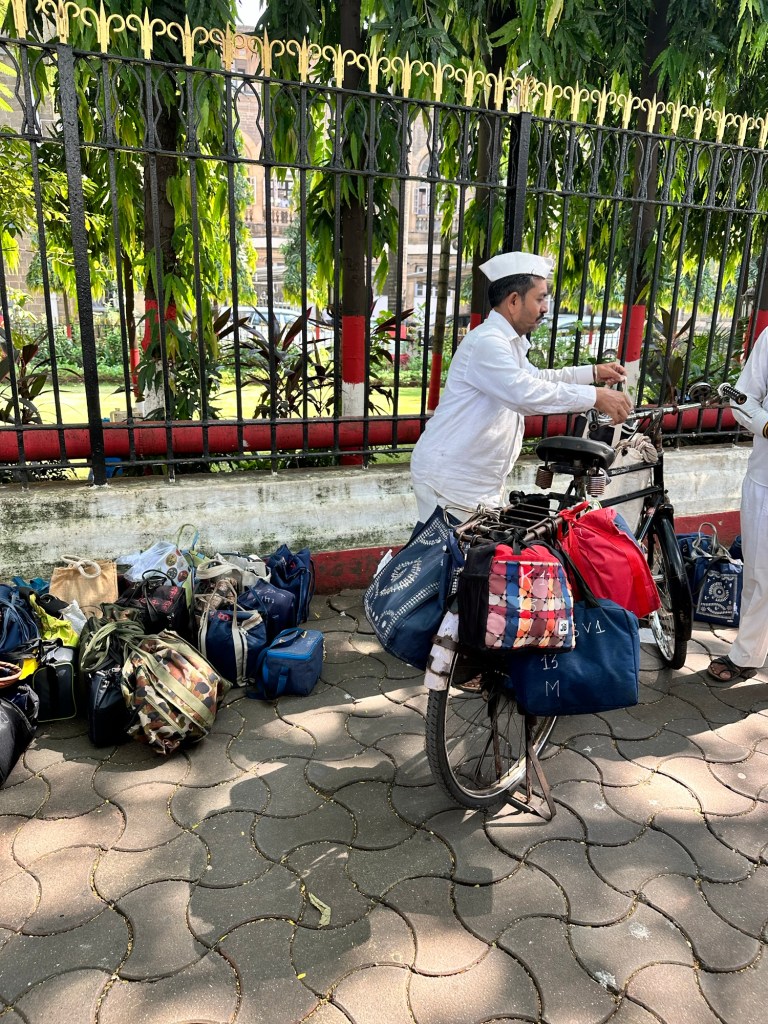
We asked why workers don’t simply take their lunchboxes with them when they leave for work.
The reason is the husband leaves work before his wife has cooked his lunch. It isn’t ready until around 10:30, which is when the dabba wallah picks it up. It gets delivered to the office before 1 PM. The dabba wallah returns later to bring the lunchbox back to the wife, arriving many hours before her husband returns home from work. That allows her to clean it so it is ready for the next day.
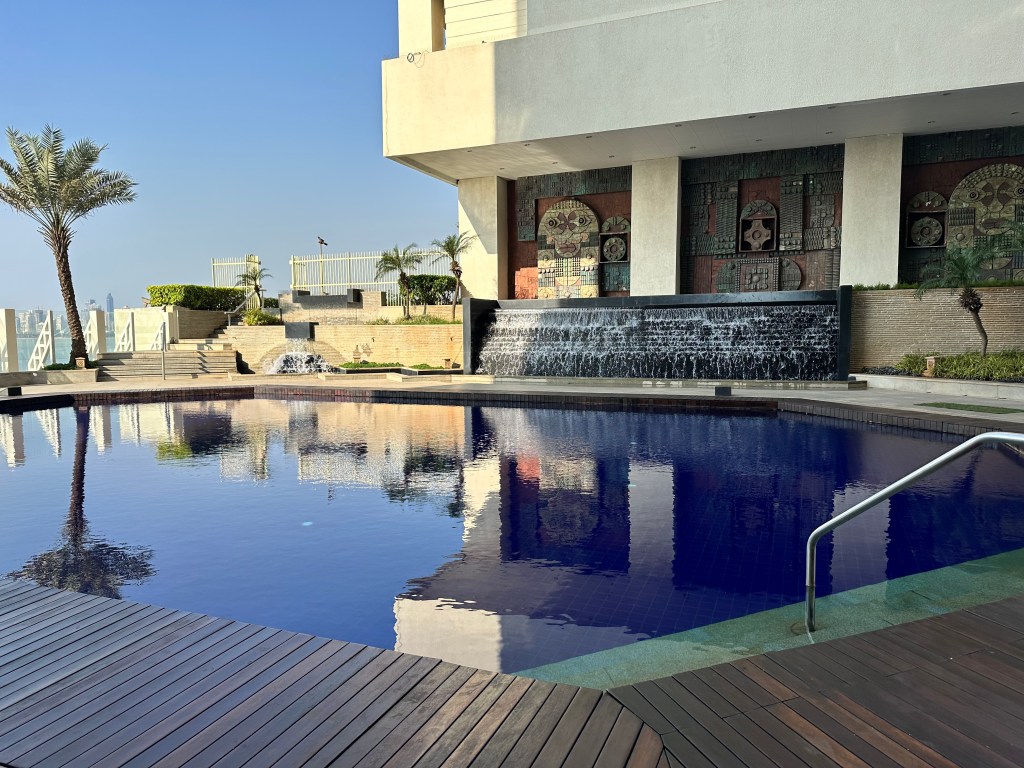
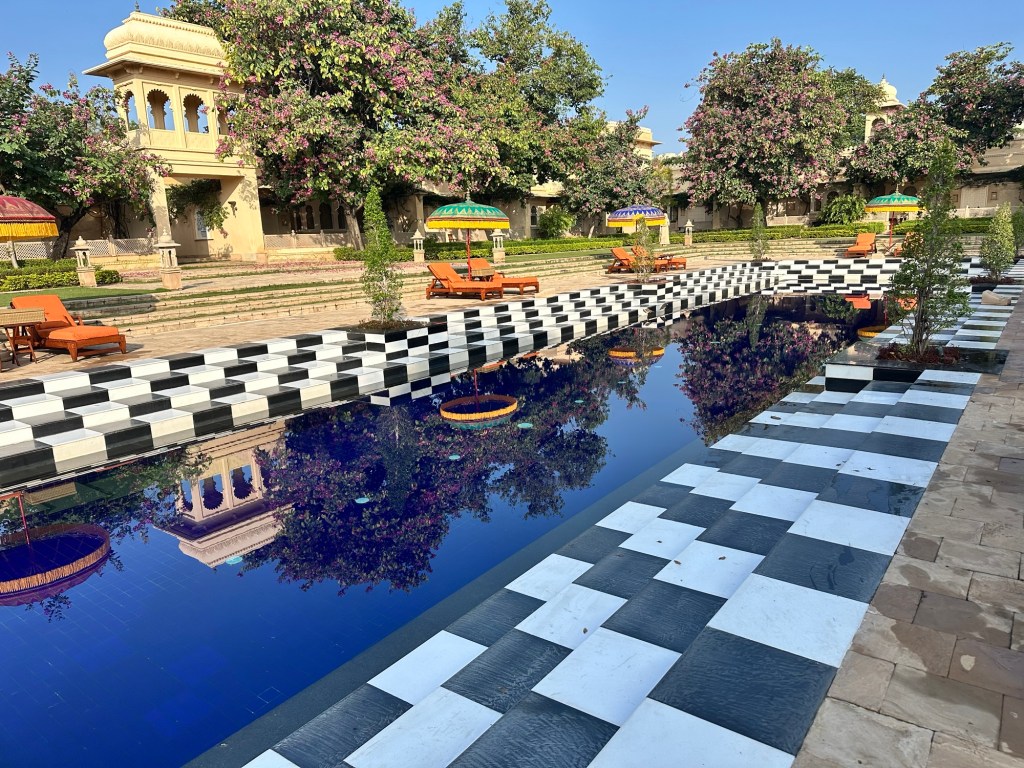
After lunch, most of the group visited the Dharavi slum. When in Nairobi during the summer of 2024, I had visited the Kibara Slum, which was a glorious experience, one that would have been difficult to replicate, in my opinion. I’ve also stayed in some rather humble lodgings while working on global volunteer projects. What I haven’t done is stay at many five star resorts, so I returned to the hotel to enjoy its rooftop pool.
Everyone who visited came back impressed by the work ethic of the residents of Dharavi.
I mentioned Elephanta Island earlier in this post. Only seven of us chose to spend our last morning in Mumbai visiting this temple dedicated to Shiva.
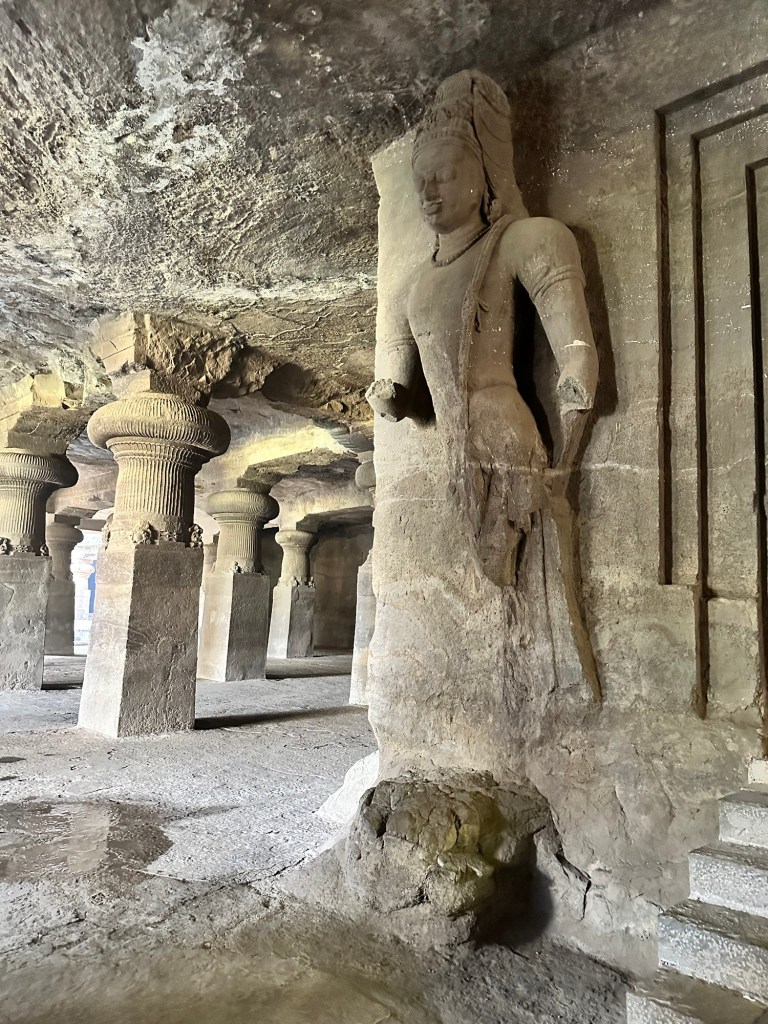
Although it looked like the temple was constructed in an existing cave, that was not the case. The temple was carved out of a huge block of basalt, working from the top down, and the outside in. The columns that you see in the photo above are purely decorative. They are not needed to support the temple. Check out the ceiling and floor of the temple.
The 10 members of our group that chose to forgo the excursion did so because they were concerned about making it up the 126 steps to the temple.

For about $35, you could make the trip the way royalty did in the past, by hiring four men to carry you in one of these chairs.
Good thing Allison is slim, because Tom depleted his cash buying a beautiful ring for his lovely wife earlier in the trip. Being creative, Tom came up with an alternative method.
Others were turned off by the thought of a one hour boat ride each way, preferring instead to shop. In India, there is always an abundance of shopping opportunities, some for articles whose purpose was a mystery, at least to me.

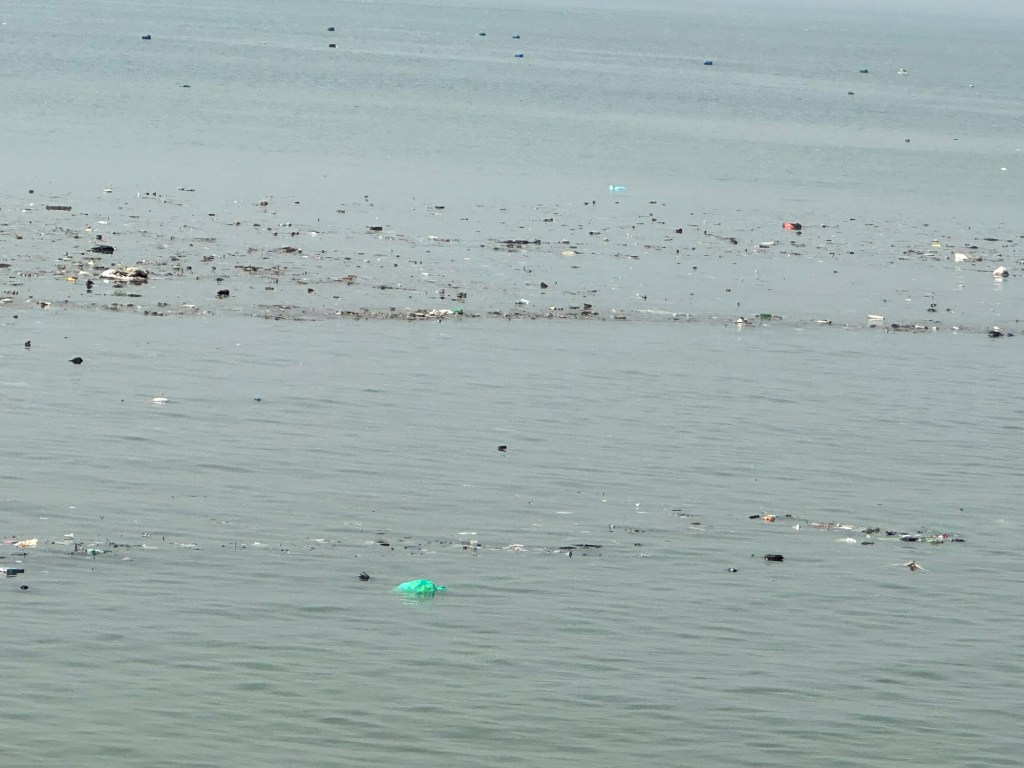
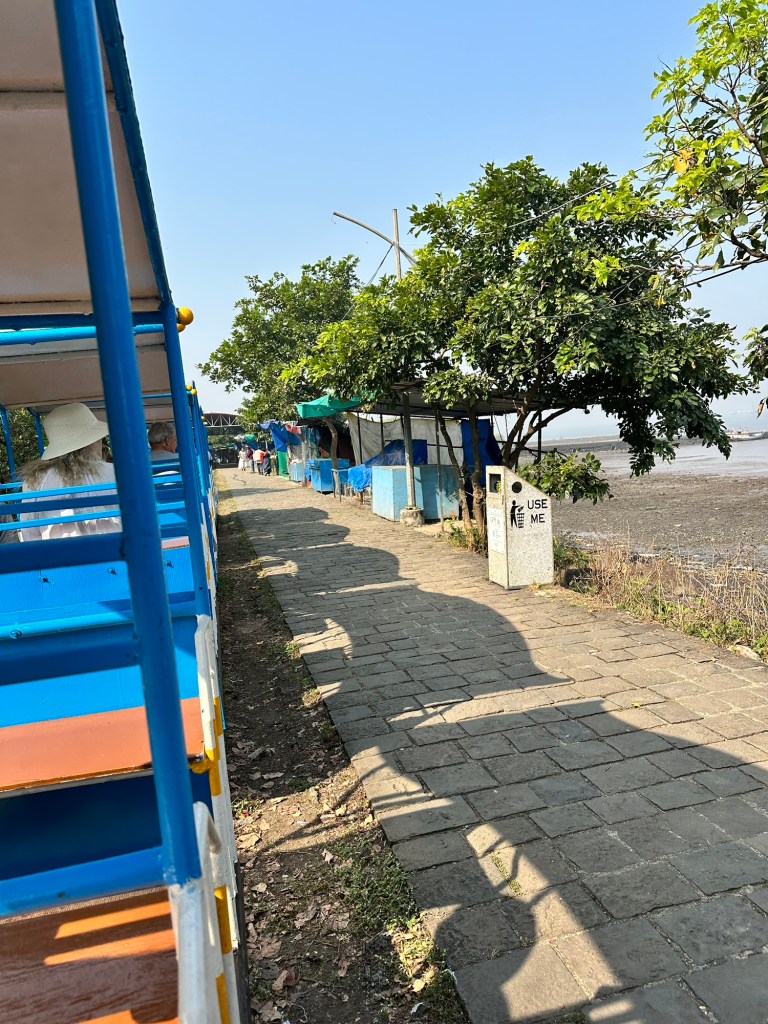
As with the other cities in the north, trash was everywhere. Despite the signs on receptacles exhorting people to “use me”, people obviously preferred to drop their garbage on the beaches where it was carried into the ocean.
I found the boat ride delightful, mainly because Joann and I chatted the entire way, which made the one hour journey whip by.

Our guide did a terrific job explaining the meaning of the wall panels. We learned, for example, that before they were married, Pavarti was always depicted on Shiva’s right. After they wed, she moved to his left. Why? Our guide told us it was because Shiva kept his wallet on his left side. “No money, no honey”. Later she told us being on the left side made Pavarti closer to Shiva’s heart.
So can you tell who is married and who is still dating? Remember the photo is a mirror image. Hmmm, Joann is on MY left. In the photo atop this post’s heading, she got it right
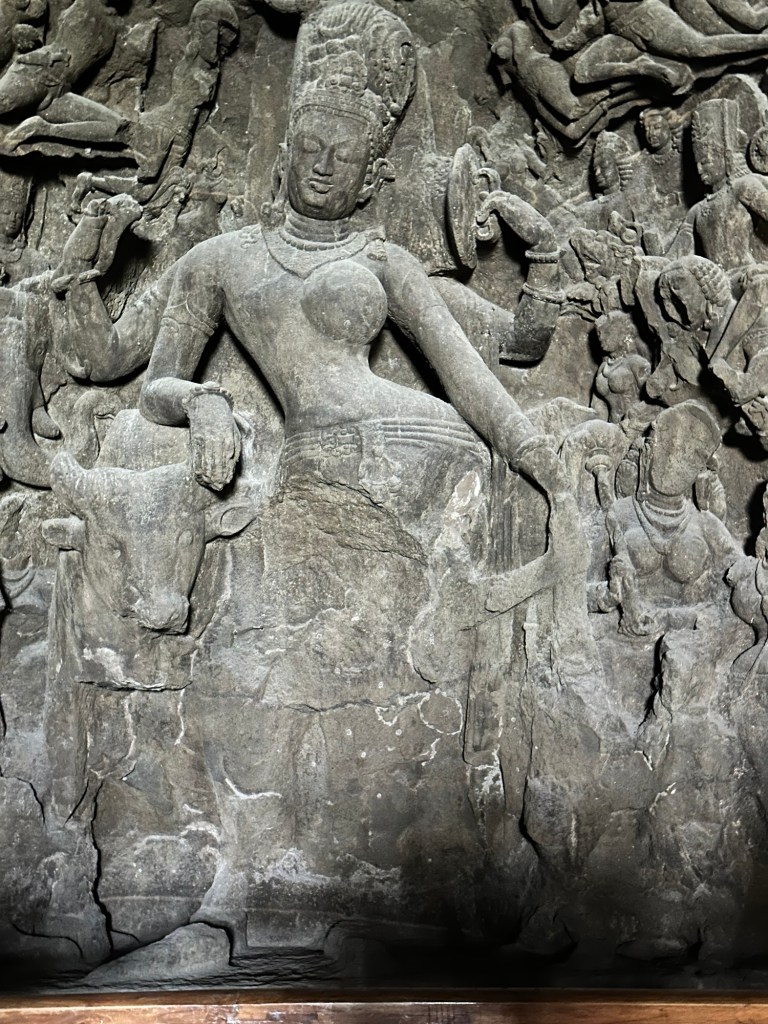
The photo below is of the wall panel showing the combination of male and female aspects of Shiva. If I had been viewing this panel on my own, I never would have gotten the significance. On the photo’s right, the top hand of Shiva is holding a mirror, which symbolizes beauty and is the emblem for Pavarti. On the photo’s left you can see Shiva’s hand resting on his trusty steed, Nandi the bull. There was a whole lot more that our guide told us, but the jet lag induced brain fog has caused me to forget what it was.
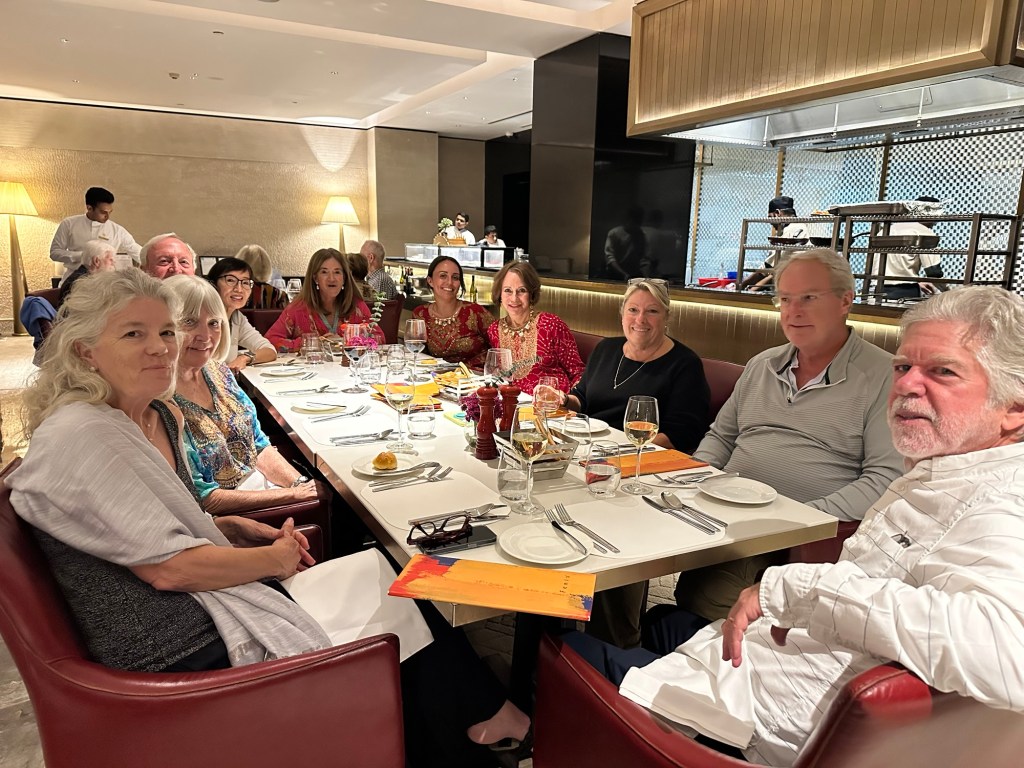
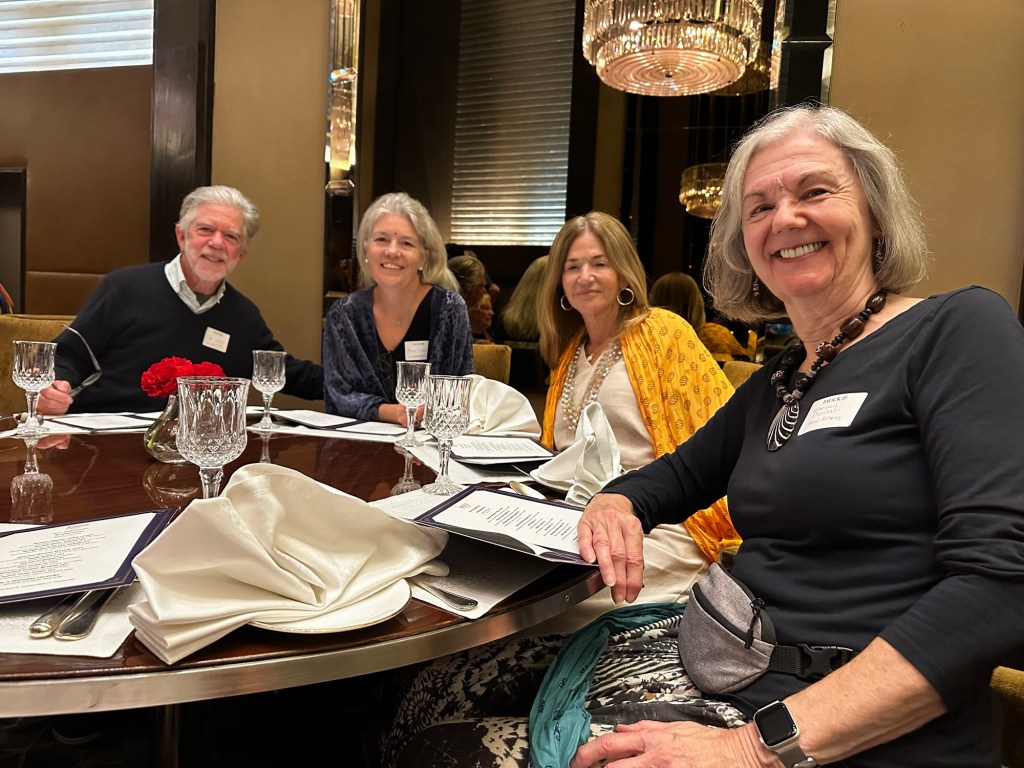
Our farewell dinner produced mixed emotions for me. I was sad to say goodbye to my new friends, but I was also happy to have spent the past two and a half weeks enjoying their company. What a magical group!
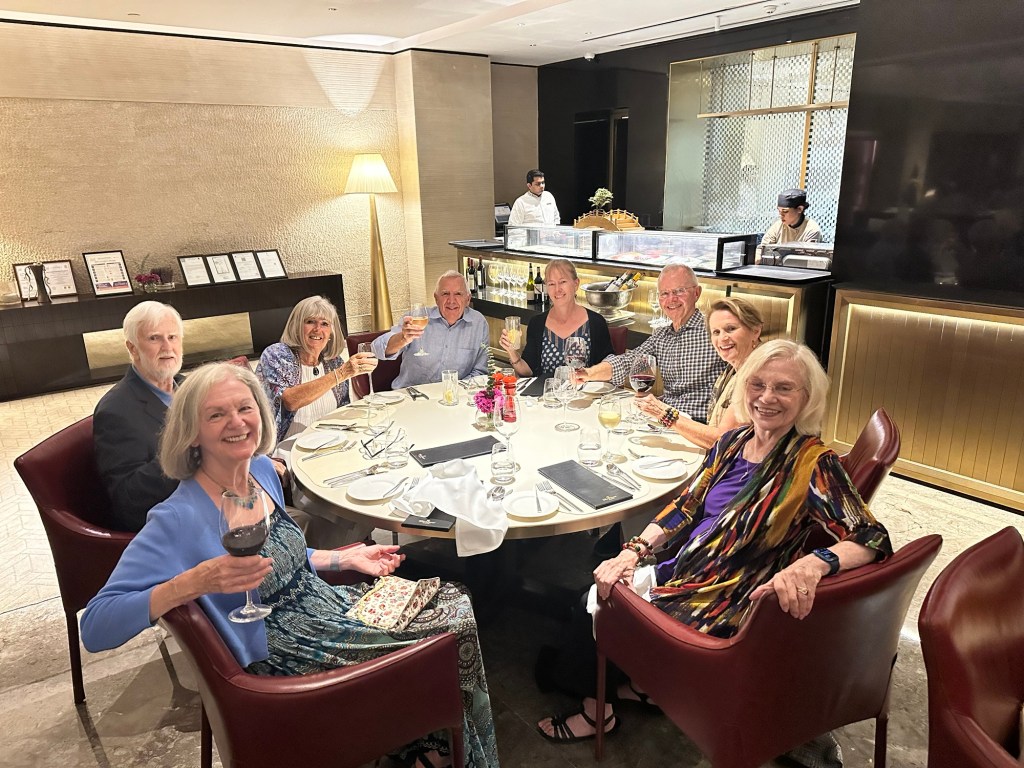
I couldn’t fit everyone at the big table into one photo, so I took two from different vantage points. Clearly the waiter did a better job than I.

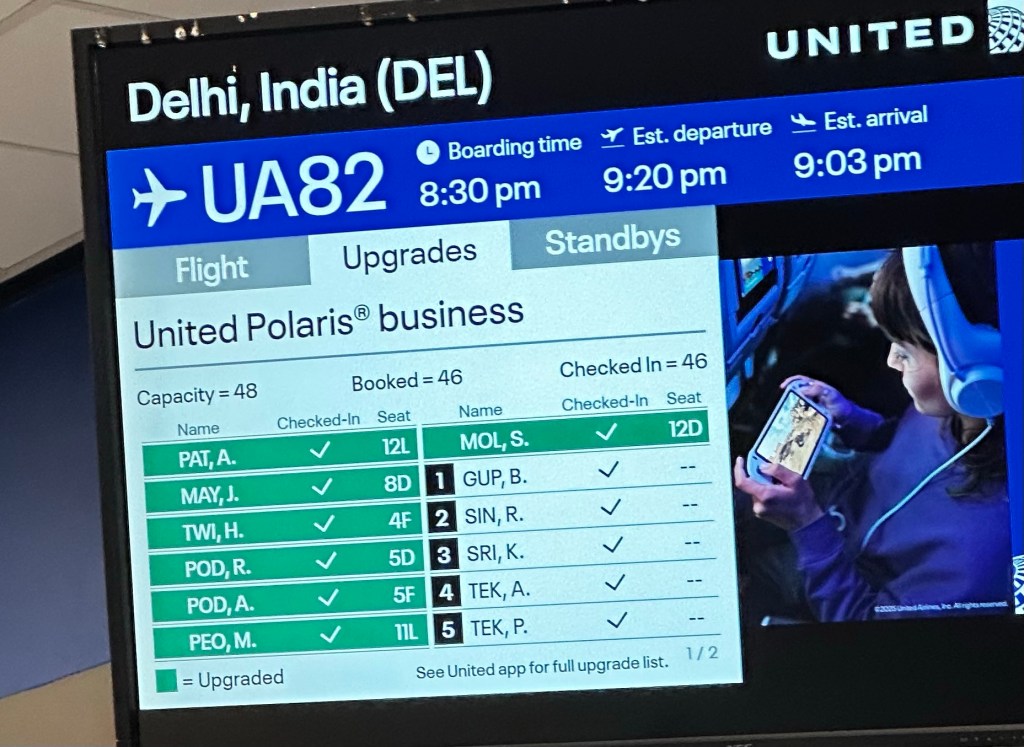
If I have the time and the energy before I depart on my next trip, I’ll talk about our experience flying from Delhi. It was an adventure! Fortunately I got to share it with Joann and Don, which made it memorable, and almost fun.
Next trip is to Costa Rica, with OAT, in the beginning of December.













































 Destination NOW