
Okay, I’ll admit it. I came perilously close to becoming an “ugly American”. When I saw that the itinerary included a morning spent in the Kibera Slum, I seriously considered sitting out the visit. Why would I want to spend time in an area inhabited by 1.5 million people, jammed into a space smaller than New York’s Central Park?
Fortunately, the wonderful travelers on the Friends of Overseas Adventure Facebook page set me straight, and I’m so glad they did.
The area certainly has its share of the usual social problems. Blackie, our escort and Kibera guide, told us that when the police refused to safeguard the inhabitants, some members of the community administered “street justice”, which proved to be quite effective in reducing crime and violence.
The community has created their own schools and has organized programs to help their children make the right choices.

What we experienced during our visit was truly inspiring. Although the slum residents had few material possessions, no running water and lived in tiny shacks, they had a real sense of community, tremendous support for one another, and amazing resilience.
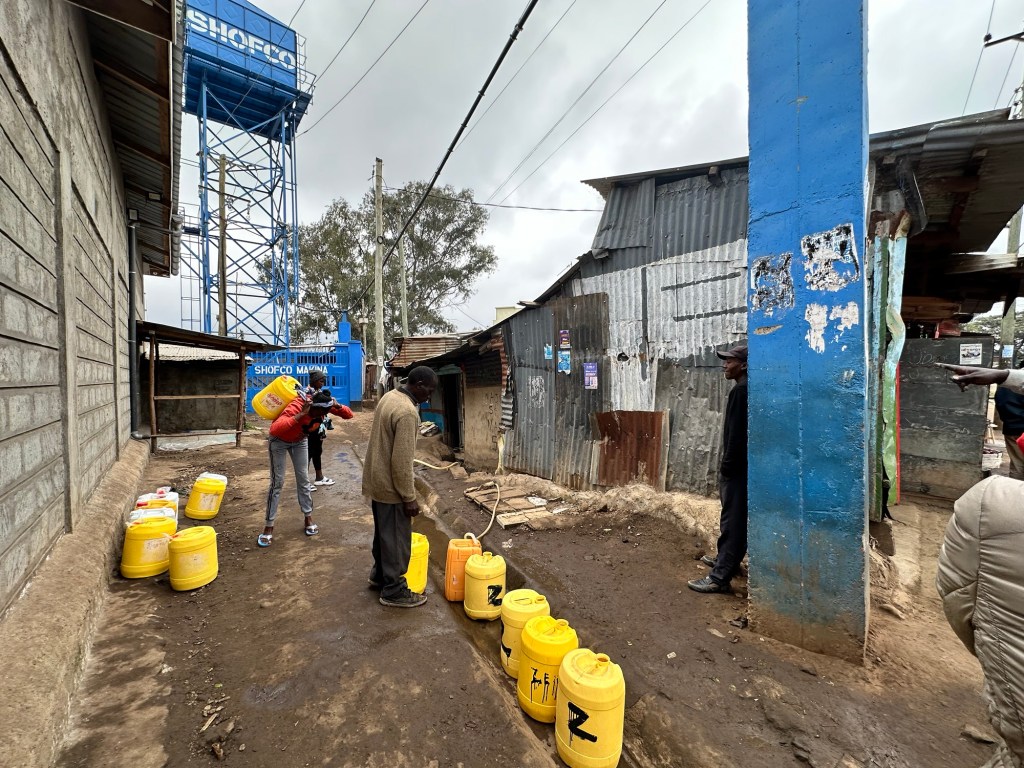
The friendly and curious children LOVED getting their picture taken-especially when I showed them their photos.

During our visit we were welcomed into two homes. In the first, three people (mom, dad and teenaged daughter) shared ONE tiny room. The daughter was sitting on the bed, because there was no place else to sit, playing a game on her cell phone. I continue to be amazed by the impact Steve Jobs’ “invention” has had on our planet. This device, which didn’t even exist 30 years ago has become essential to us all.
The second visit was to the home of Blackie, a three room hut that he shared with his wife, youngest son and grandson.

The grandson was so pleased with the photo that I took of him that he showed everyone, exclaiming “ that’s me”!

One of the many reasons I continue to travel with OAT is because of experiences like these. I never would have done them on my own, either because I didn’t know they existed, or my prejudgement was so very wrong.
Kobe Tough, our afternoon destination, exists because of the devastating impact climate change has had on the Maasai. Any American who doesn’t “believe” in climate change should come to Africa and speak to the people to whom it is a daily reality.
Successive years of drought killed the cattle the Maasai women depended on as their sole source of income, so they needed to find an alternate way to earn money.
They now make beautiful ceramic beads, which are hand painted and made into jewelry. I felt good buying bracelets, earrings and rings from their on-site store, knowing that the money will help these women support their families. The header for this post is a photo of some of their beautiful jewelry in their on site store. But you don’t need to go to Nairobi to own one of these unique pieces — you can buy direct from their website.
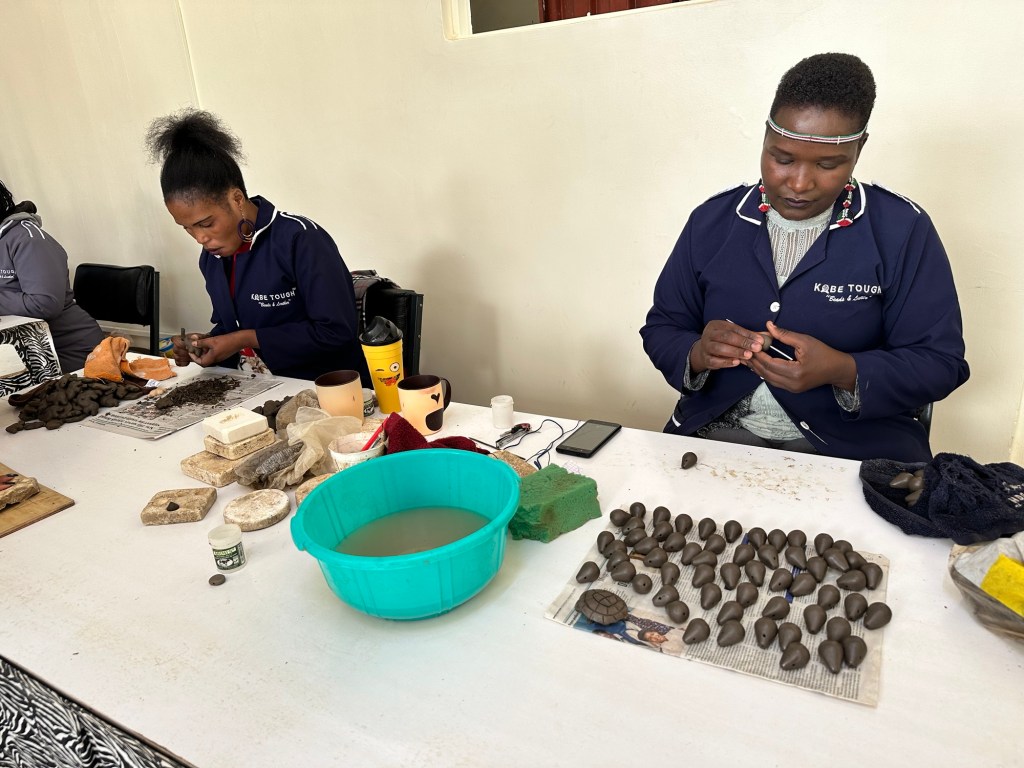
If you visit Kobe Tough, you will meet the bead makers, who then entertain you with a wonderful rendition of “Jambo Bwana” ( hello, sir). And when they invite you to dance, I hope you’ll join them!

Another highlight of our stay in Nairobi was our visit to its national museum. I could have spent the entire day there! Did you know there are 1,500 different bird species in Kenya? I sure didn’t. You can see 900 of them displayed in the museum.
Who knew that hippos were related to dolphins and whales?

I wasn’t able to get a good shot of the remains of Turkana boy, which isn’t surprising, given that he’s 1.6 million years old. His skeleton was discovered in 1984, on the shores of Lake Turkana, giving us valuable insight into the evolution of Homo sapiens.
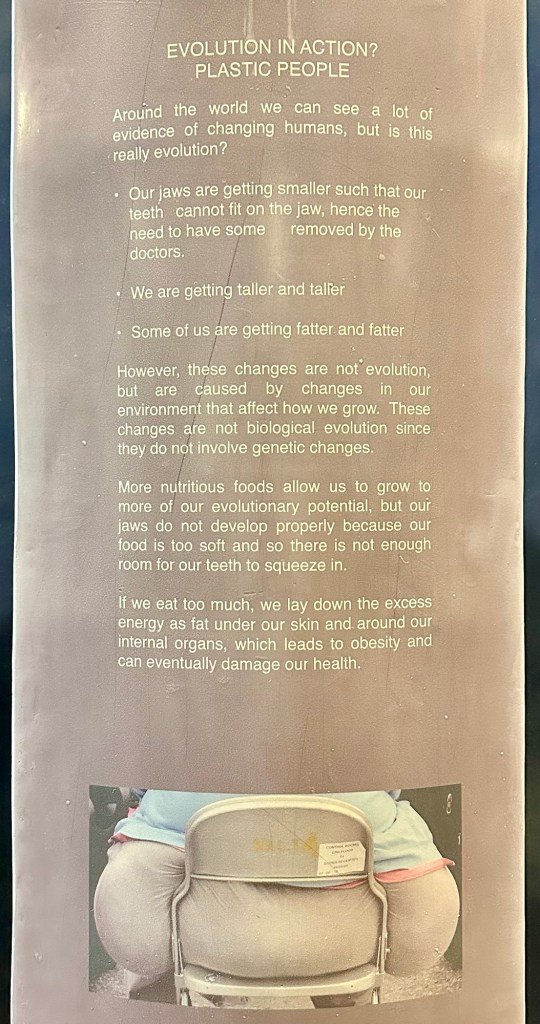
There is so much more to say about Nairobi, but this post is already getting long, so I’ll end with one final thought from the museum.
Next stop will be Maasai Mara National Reserve.
 Destination NOW